
The Closed Sulfurizing Machine: An Overview
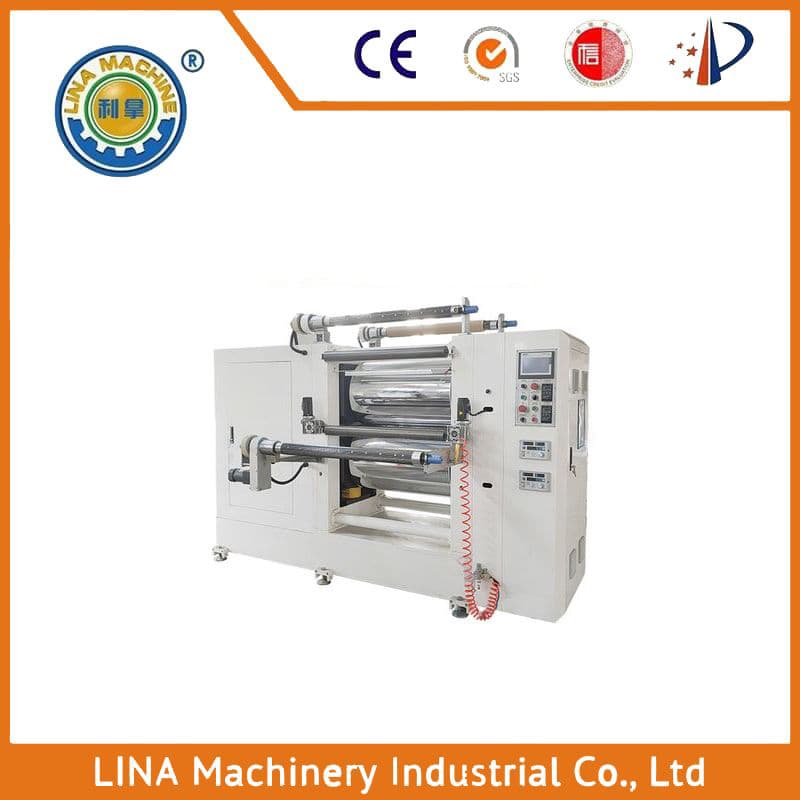
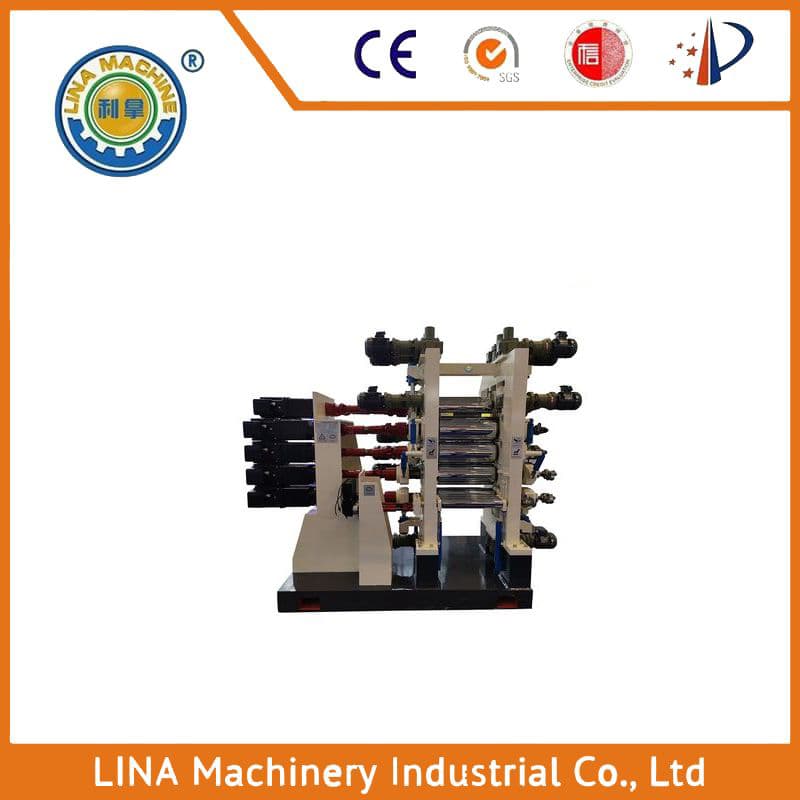
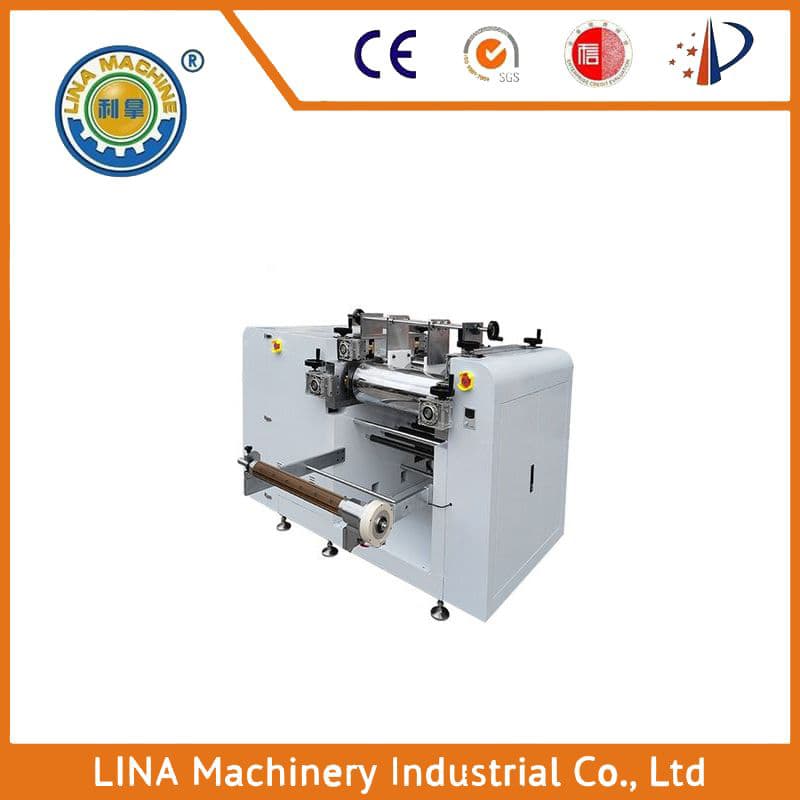
The closed sulfurizing machine is a specialized industrial equipment that plays a crucial role in the chemical industry. It is designed to process and convert various organic compounds into their corresponding sulfur-containing derivatives, such as sulfuric acid, hydrogen sulfide, and other sulfur-based chemicals. This process is essential for the production of fertilizers, pesticides, and other agricultural products that rely on sulfur compounds.
The closed sulfurizing machine consists of several key components, including a reactor, a heating system, a cooling system, and a control system. The reactor is the core component of the machine, where the chemical reaction takes place. It is typically made of stainless steel or other corrosion-resistant materials to ensure long-term durability and efficiency. The heating system provides heat energy to the reactor, while the cooling system maintains the temperature within a specific range during the reaction. The control system monitors and regulates the process parameters, ensuring accurate and consistent results.
One of the main advantages of the closed sulfurizing machine is its ability to operate under high pressure and temperature conditions. This makes it suitable for processing complex organic compounds that would be difficult or impossible to handle using conventional methods. Additionally, the closed system ensures safe and efficient operation, minimizing environmental impact and potential hazards associated with open processes.
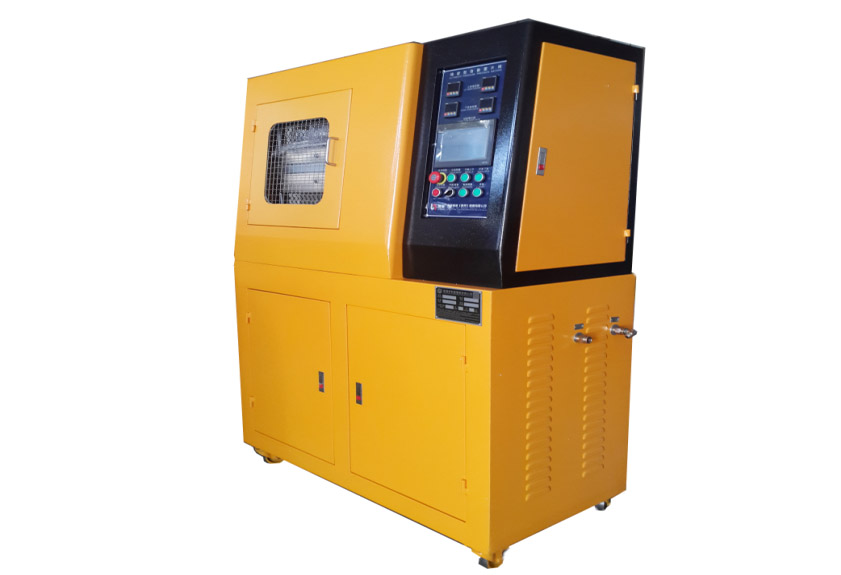
In conclusion, the closed sulfurizing machine is an essential tool in the chemical industry, providing a reliable and efficient way to produce sulfur-based chemicals. Its unique design and advanced technology make it a preferred choice for many industries, from agriculture to manufacturing. As the demand for these products continues to grow, the importance of this equipment will only increase.