
The Art of Particle Formation in Ceramic Powder Making Machines
Ceramic powder making machines are an essential tool in the ceramic industry, allowing for the creation of high-quality ceramic materials with precise particle sizes and shapes. These machines use a variety of techniques to produce ceramic powders, including ball milling, fluidized bed combustion, and gas atomization. Each technique has its own advantages and disadvantages, but all require careful control to ensure the desired properties of the final product.
One of the most common types of ceramic powder making machines is the ball mill. This machine uses grinding media to break down raw materials into smaller particles, which can then be collected and dried. Ball mills are versatile and can be used to produce a wide range of ceramic powders, from finely ground materials to coarser aggregates. However, they can also be noisy and require careful maintenance to prevent wear on the grinding media.
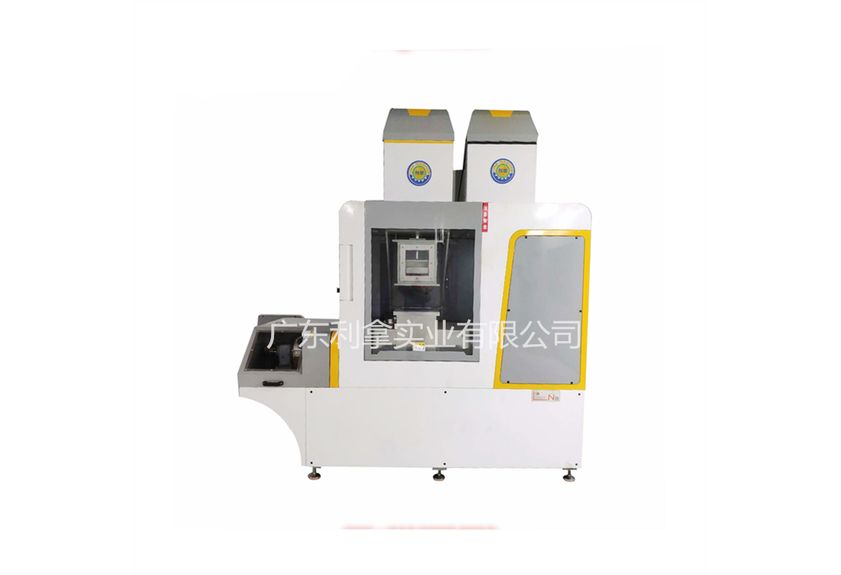
Another popular method for producing ceramic powders is gas atomization. In this process, raw materials are heated and atomized into small particles using a gas jet. This method produces very fine powders that have high surface area and are ideal for applications where strength and toughness are important. However, gas atomization requires specialized equipment and can be expensive to operate.
Fluidized bed combustion is another technique used in ceramic powder making machines. In this process, raw materials are heated and atomized in a fluidized bed of ash or other inert material. This method produces ceramic powders with a uniform size distribution and low impurity levels, making them ideal for use in high-performance applications. However, fluidized bed combustion can be difficult to scale up and can be more expensive than other methods.
Overall, the choice of ceramic powder making machine depends on the specific requirements of the end product. Ball mills are suitable for producing finely ground materials, while gas atomization is ideal for producing high-strength ceramic powders. Fluidized bed combustion is best suited for applications requiring uniform particle size distribution and low impurity levels. By carefully selecting the appropriate machine and operating it correctly, ceramic manufacturers can achieve the highest quality products possible.