



The Art of Composites Production: An Insight into the Rubber-Plastic Composite Granulation Line
The art of composite production is a fascinating journey that involves the blending of two or more distinct materials to create a unique and superior material. In the realm of plastics, rubber, and other polymers, this process is known as "composite granulation." This article delves into the intricacies of the rubber-plastic composite granulation line, highlighting its significance in the manufacturing industry.
At the heart of this process lies the concept of "blending," where different materials are mixed together to form a new material with unique properties. In the case of rubber and plastic composites, this blending takes place in a specialized line that uses advanced equipment to ensure uniform mixing and distribution of the components.
One of the key advantages of using a composite granulation line is the ability to produce high-quality products with consistent performance. By carefully controlling the ratio of each component, manufacturers can achieve optimal results, resulting in products that meet specific requirements for strength, durability, and functionality.
Another critical aspect of the rubber-plastic composite granulation line is the use of advanced technology. Modern lines incorporate sophisticated monitoring systems that track the progress of the process, ensuring that each step is executed accurately and efficiently. Additionally, these lines often employ automation to further enhance productivity and reduce waste.
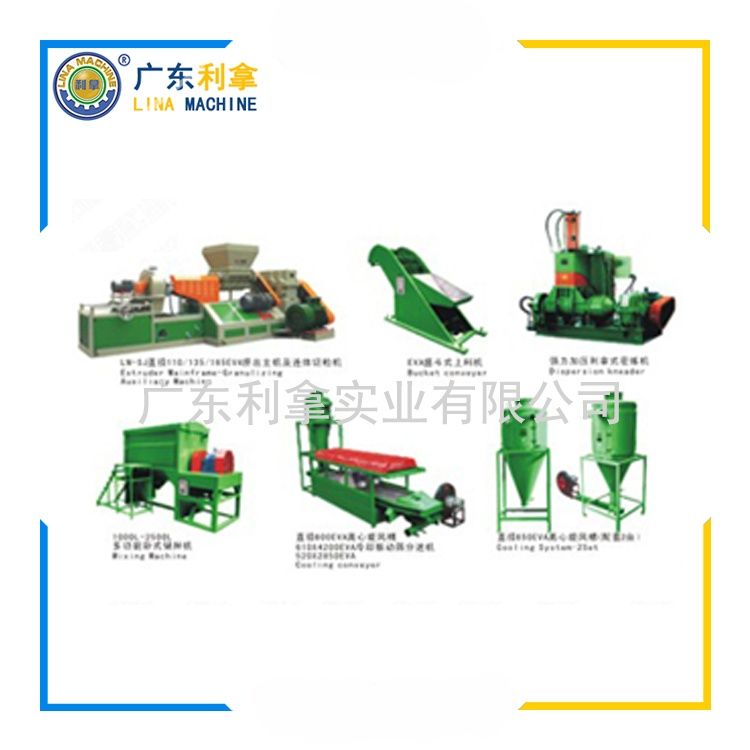
In addition to their technical advantages, composite granulation lines also play a crucial role in environmental sustainability. By reducing the need for raw materials and minimizing waste, these lines help to minimize the impact on the environment. Furthermore, they enable manufacturers to produce products with lower energy consumption and emissions, contributing to a more sustainable future.
In conclusion, the rubber-plastic composite granulation line represents a significant advancement in the field of composite production. By leveraging advanced technology and utilizing precise blending techniques, manufacturers can produce high-quality products with enhanced properties and reduced environmental impact. As the demand for innovative materials continues to grow, the importance of such lines will only continue to increase, paving the way for exciting new developments in the world of composites.