



The Art of Particle Formation in Ceramic Powder Making Machines
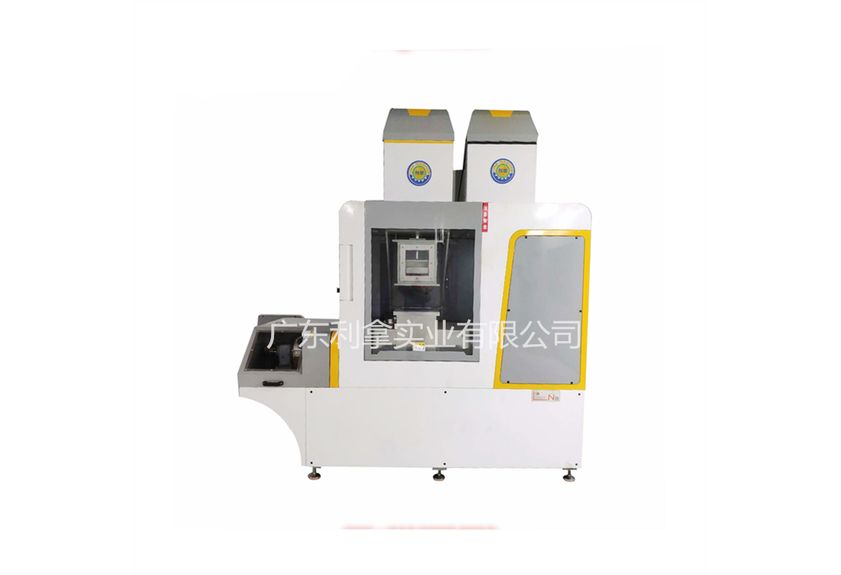
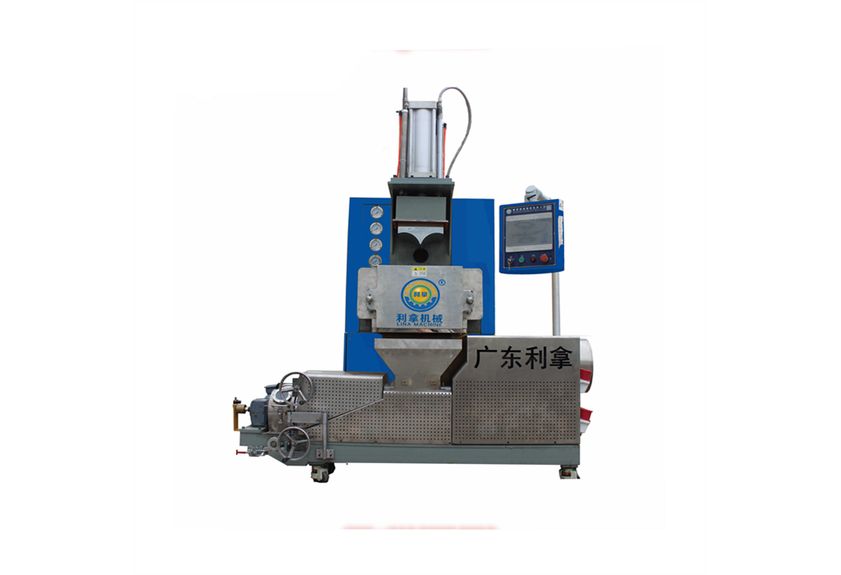
Ceramic powder making machines are crucial tools in the ceramic industry, enabling the creation of high-quality ceramic products. These machines use a process called "particle formation" to convert raw materials into fine, uniformly sized ceramic powders. The process involves grinding raw materials such as clay or other ceramic precursors using a rotating drum or disc, which then passes through a filtering system to remove any larger impurities. The resulting powder is then dried and sieved to produce a consistent product.
One of the key features of ceramic powder making machines is their ability to control the particle size distribution of the final product. This is achieved through the use of different types of filters and screens that can be adjusted to produce particles ranging from micron-sized to millimeter-sized. By controlling the particle size, manufacturers can tailor the properties of their ceramic products for specific applications, such as electronics or construction.
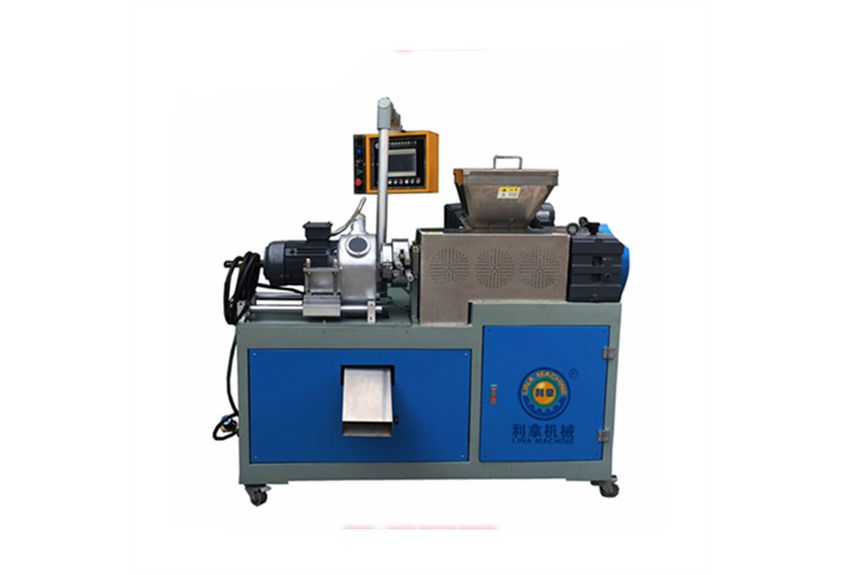
In addition to producing ceramic powders, these machines can also be used to grind other materials, such as glass or metals, to create composite materials with unique properties. The ability to produce a wide range of materials in a single machine makes it an attractive option for companies looking to streamline their production processes and reduce costs.
1. Ceramic Powder Making Machines
2. Particle Formation
3. Grinding Materials
4. Filtering Systems
5. Properties of Ceramics
This article provides an overview of the art of particle formation in ceramic powder making machines, highlighting the importance of these machines in the ceramic industry. It explains how these machines use particle formation techniques to produce fine, uniformly sized ceramic powders, and discusses the various types of filters and screens used to control the particle size distribution. Additionally, the article explores the potential applications of these machines beyond just ceramic powder production, including the ability to grind other materials and create composite materials with unique properties. Overall, this article aims to provide readers with valuable information on the role of ceramic powder making machines in modern manufacturing processes.