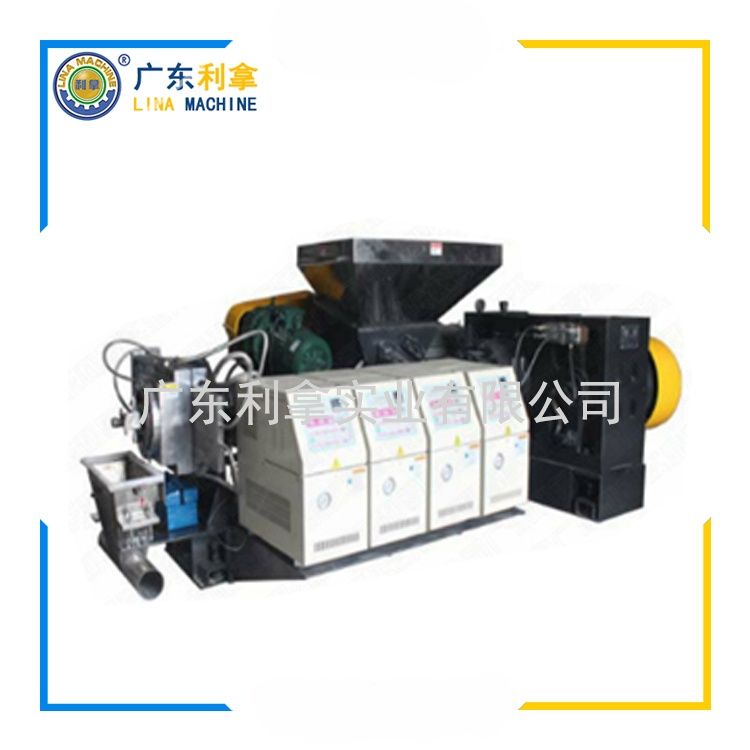
The Role of EVA, TPR, and PVC in the Manufacturing of Composite Particles
The manufacturing industry is constantly evolving, and one area that has seen significant advancements is the production of composite particles. These particles are used in a variety of applications, from packaging to construction materials. In this article, we will explore the importance of EVA (Ethylene Vinyl Acetate), TPR (Thermoplastic Rubber), and PVC (Polyvinyl Chloride) in the production of these composite particles.
Firstly, EVA is a thermoplastic elastomer that is widely used in the production of composite particles. It is a flexible material that can be molded into various shapes and sizes. EVA is also known for its resistance to moisture and oil, making it ideal for use in applications where these properties are required.
Secondly, TPR is a thermoplastic rubber that is commonly used in the production of composite particles. It is a softer material than EVA, but still provides excellent flexibility and durability. TPR is also resistant to heat and chemicals, making it an ideal choice for applications where these properties are important.
Finally, PVC is a thermoplastic polymer that is commonly used in the production of composite particles. It is a rigid material that can be molded into various shapes and sizes. PVC is also resistant to heat and chemicals, making it an ideal choice for applications where these properties are important.
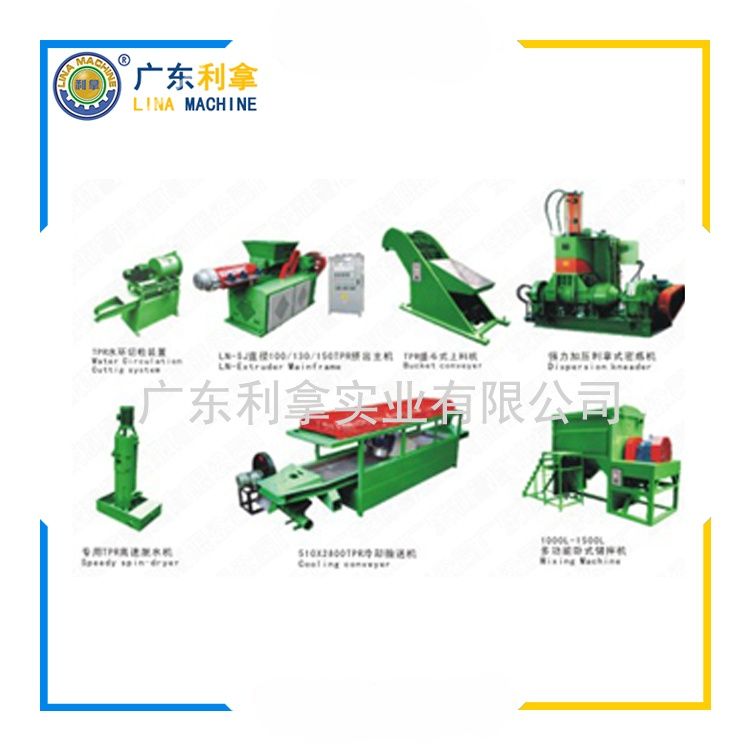
In conclusion, EVA, TPR, and PVC are all critical components in the production of composite particles. Each material has unique properties that make it suitable for specific applications, and their combination allows for the creation of high-quality products that meet the needs of a wide range of industries.