
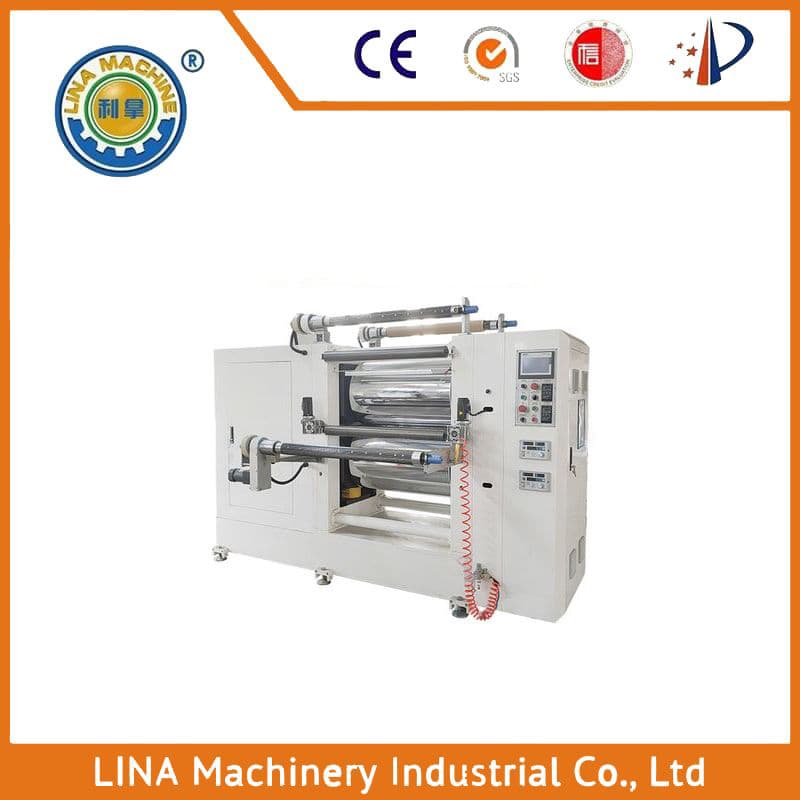
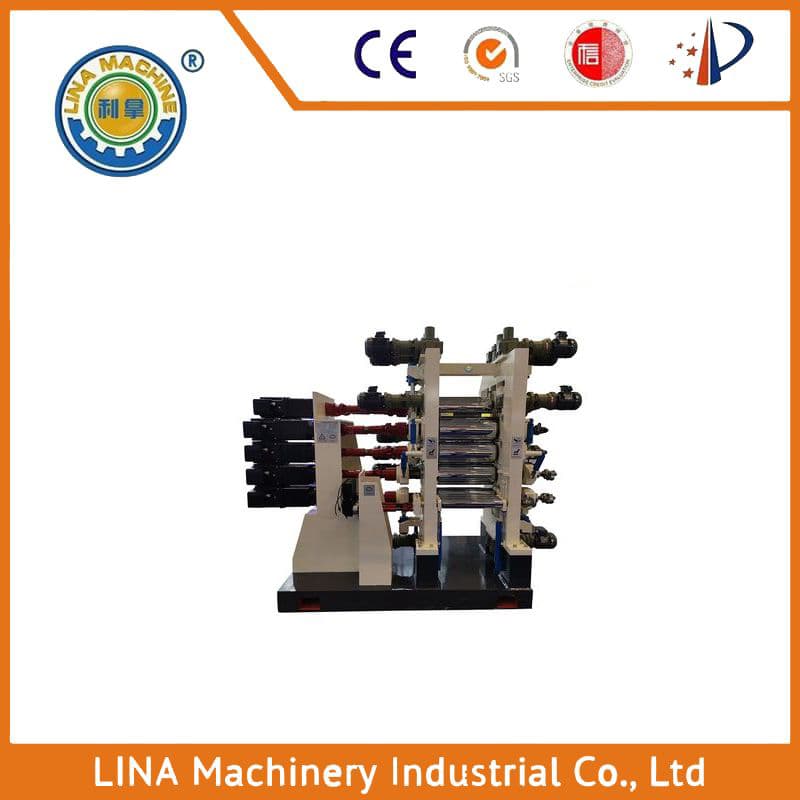
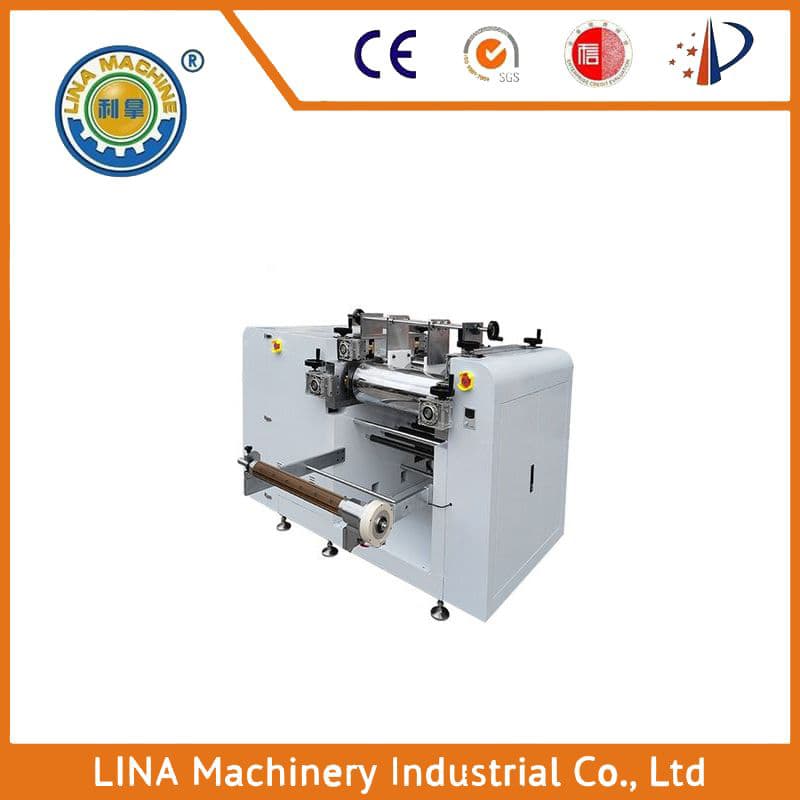
PCM相变化导热硅胶压延机:创新技术在材料加工领域的应用
In the realm of advanced materials processing, innovation is not just a buzzword; it's a necessity. The advent of PCM (Phase Change Material) thermal conductive adhesives has revolutionized the way we manufacture and engineer heat-conducting interfaces. This cutting-edge technology, which involves the use of phase change materials to enhance the thermal conductivity of materials, is transforming industries ranging from electronics to automotive.
At its core, the PCM thermal conductive adhesive operates on a principle whereby the material undergoes a phase change from a solid to a liquid state during heating, allowing for rapid and efficient heat transfer. This unique property renders it highly effective in applications where heat dissipation is paramount, such as in the manufacturing of electronic devices with high heat generation or in the construction of thermal management systems in vehicles.
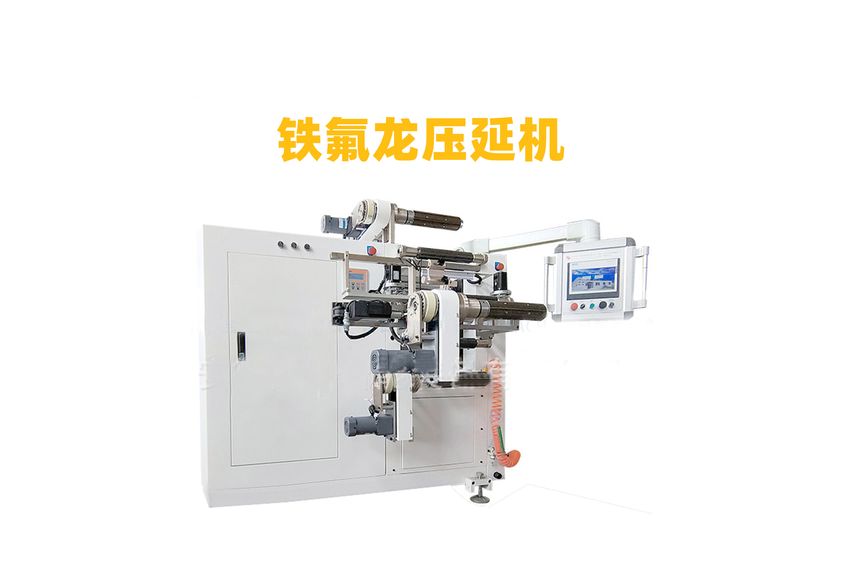
The PCM thermal conductive adhesive offers several advantages over traditional methods of heat transfer. Firstly, it provides superior thermal conductivity, enabling faster heat dissipation and reducing the overall power consumption in electronics. Secondly, it exhibits excellent compatibility with various substrates, making it ideal for bonding different materials together. Thirdly, the PCM adhesive is environmentally friendly, as it does not require any additional chemicals or solvents for its application, unlike traditional thermal adhesives.
However, the implementation of PCM thermal conductive adhesive requires specialized equipment and expertise. The process involves precisely controlling the temperature and duration of heating to achieve the desired phase change. Additionally, the selection of the right PCM material and its compatibility with the substrate are crucial factors that must be carefully considered to ensure optimal performance.

Despite these challenges, the potential benefits of PCM thermal conductive adhesive are undeniable. As the demand for energy efficiency and sustainability continues to grow, this technology holds significant promise for future advancements in the field of materials science and engineering. As we look towards a more sustainable future, the PCM thermal conductive adhesive represents a powerful tool that can help us tackle some of the most pressing challenges facing our planet today.
1. PCM thermal conductive adhesive
2. Phase change materials
3. Heat dissipation
4. Environmentally friendly
5. Electronics manufacturing
This article delves into the innovative use of PCM thermal conductive adhesive in the realm of materials processing, highlighting its potential impact on industries such as electronics and automotive. By exploring the principles behind the technology, its advantages over traditional methods, and the challenges associated with its implementation, we provide readers with a comprehensive understanding of this groundbreaking technology. Whether you're an industry professional or simply interested in staying informed about emerging technologies, this article will leave you with a deeper appreciation for the potential of PCM thermal conductive adhesive in shaping the future of materials science and engineering.