



Innovative Advancements in Thermal Conductive Silicone Rolling Press Line
The thermal conductive silicone rolling press line is a crucial component of the electronics manufacturing industry, responsible for the production of high-quality thermal interface materials. This article will discuss the latest advancements in this line, including the use of advanced technologies and innovative design concepts that have made it more efficient, reliable, and cost-effective.
One of the key advancements in this line is the use of advanced materials and processing techniques. Thermal conductive silicone is a highly effective material for thermal management, but its production requires precise control over the process parameters. Advanced technologies such as computer-controlled rollers and automated feeding systems have been developed to ensure consistent quality and reduce production time. Additionally, new processing techniques like extrusion molding have been introduced to improve the flowability and uniformity of the silicone compound.
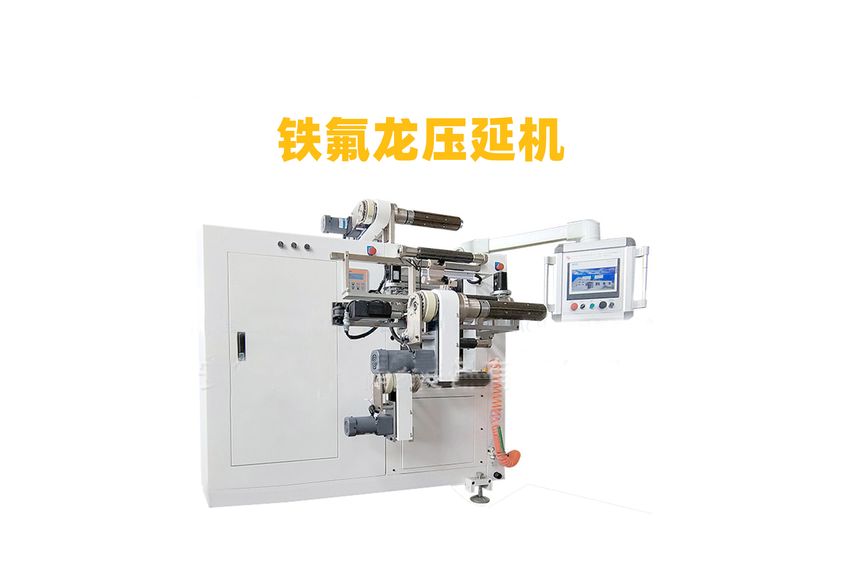
Another important aspect of this line is the integration of intelligent sensors and control systems. These sensors can monitor the temperature, pressure, and other process parameters during the production process, allowing for real-time adjustments to optimize the final product's performance. Intelligent control systems can also detect any anomalies or defects in the silicone compound before they reach the final stage of production, ensuring that only high-quality products are produced.
In terms of design, the latest advancements in this line focus on minimizing waste and maximizing efficiency. For example, the use of modular components allows for easy replacement and maintenance, reducing downtime and increasing productivity. Additionally, the design of the equipment has been optimized to minimize energy consumption and reduce environmental impact.
Overall, the advancements in the thermal conductive silicone rolling press line have had a significant impact on the electronics manufacturing industry. By leveraging advanced technologies and innovative design concepts, manufacturers can produce high-quality thermal interface materials with greater efficiency, reliability, and cost-effectiveness. As the demand for these materials continues to grow, the importance of these advancements cannot be overstated.