
The Laboratory Kneading Machine: A Critical Tool for Chemical and Materials Science
The laboratory kneading machine, also known as a vulcanizing machine or a mixing machine, is a critical tool in the field of chemical and materials science. It is used to mix, knead, and blend various substances, such as polymers, plasticizers, fillers, and additives, to create homogeneous mixtures that are essential for many industrial applications.
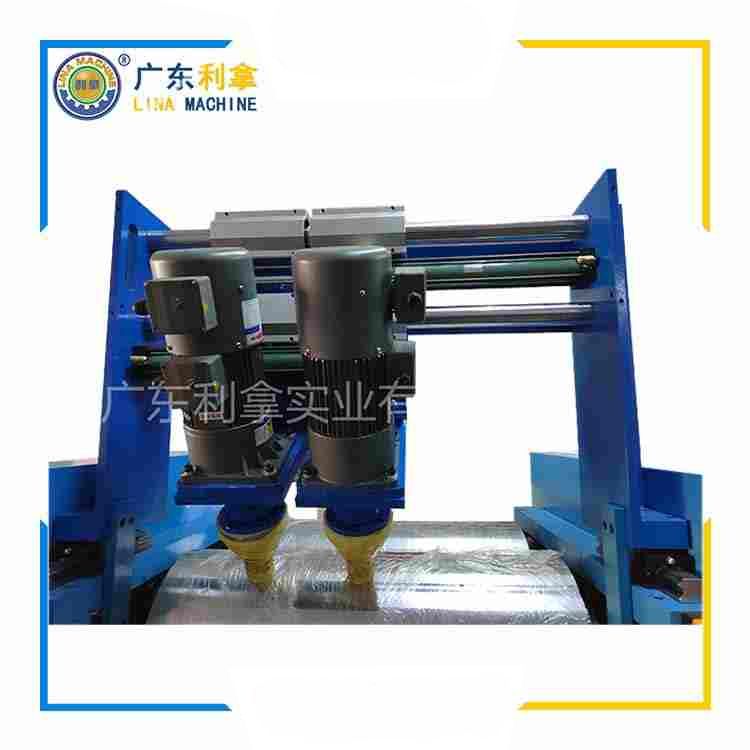
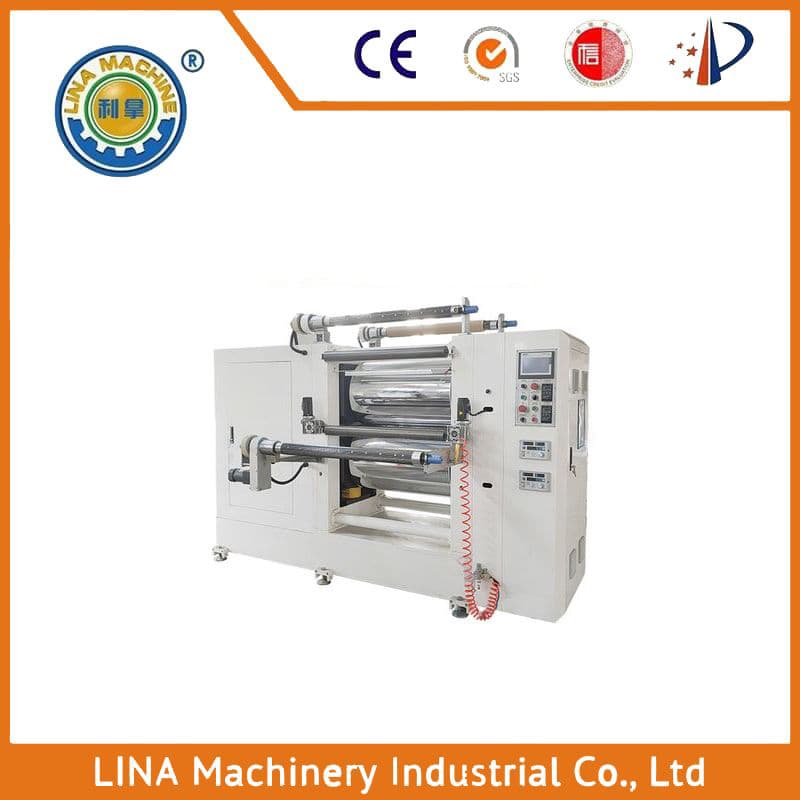
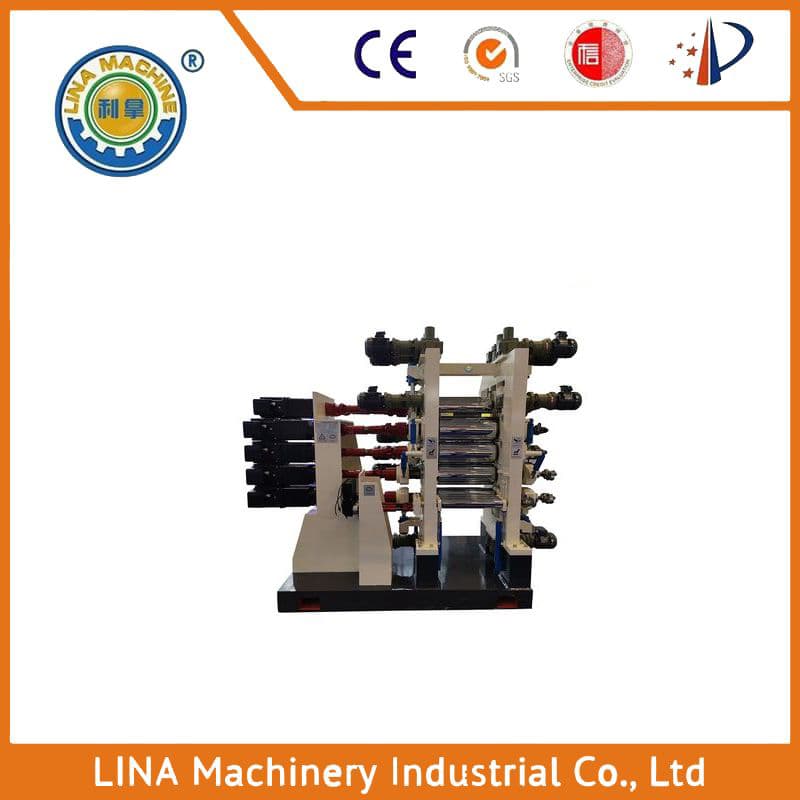
The kneading machine consists of a rotating drum that is surrounded by a series of rollers, which help to distribute the material evenly throughout the drum. The drum is typically heated to a specific temperature, which helps to melt the polymers and other ingredients, making them easier to mix. The rollers are designed to pressurize the material as it passes through the drum, which helps to ensure a uniform distribution of the ingredients.
One of the key benefits of using a laboratory kneading machine is its ability to produce high-quality products with consistent results. By controlling the temperature, pressure, and mixing time, scientists and engineers can optimize the properties of their compounds, resulting in materials that are stronger, more durable, and more efficient.

In addition to its practical applications, the kneading machine has also become an important research tool for studying the behavior of materials under extreme conditions. For example, researchers can use the machine to simulate the effects of high temperatures, pressures, and mechanical stresses on materials, which can help to predict how these factors will impact the performance of real-world systems.
Overall, the laboratory kneading machine is a versatile and powerful tool that has revolutionized the way scientists and engineers approach the creation of new materials and products. Whether you're a student working on a research project or a professional in the industry, this machine is an essential component of your lab equipment.