



The Development and Application of Radio Frequency Circuit Board Pressing Machine Line
The development of radio frequency (RF) circuit boards has been a significant advancement in the electronics industry. RF circuit boards are crucial components that enable communication devices to transmit and receive signals wirelessly. To meet the high-quality requirements of RF circuit boards, advanced manufacturing techniques have been employed in the production process. One such technique is the use of pressurized pressing machines for the fabrication of RF circuit boards. In this article, we will explore the development of the RF circuit board pressing machine line and its application in the electronics industry.
The development of the RF circuit board pressing machine line began in the 1980s with the advent of microelectronics technology. As demand for RF circuit boards increased, manufacturers began to seek more efficient and cost-effective ways to produce these boards. This led to the development of pressurized pressing machines that can handle large volumes of RF circuit boards simultaneously.
The first pressurized pressing machine was developed by General Electric in the 1980s. This machine used a combination of mechanical and pneumatic pressure to press the RF circuit boards into place. However, this method was not very efficient and required a lot of manual labor.
In the 1990s, the development of computer-controlled pressurized pressing machines became popular. These machines were equipped with advanced software that could automatically control the pressing process, ensuring consistency and accuracy in the production of RF circuit boards.
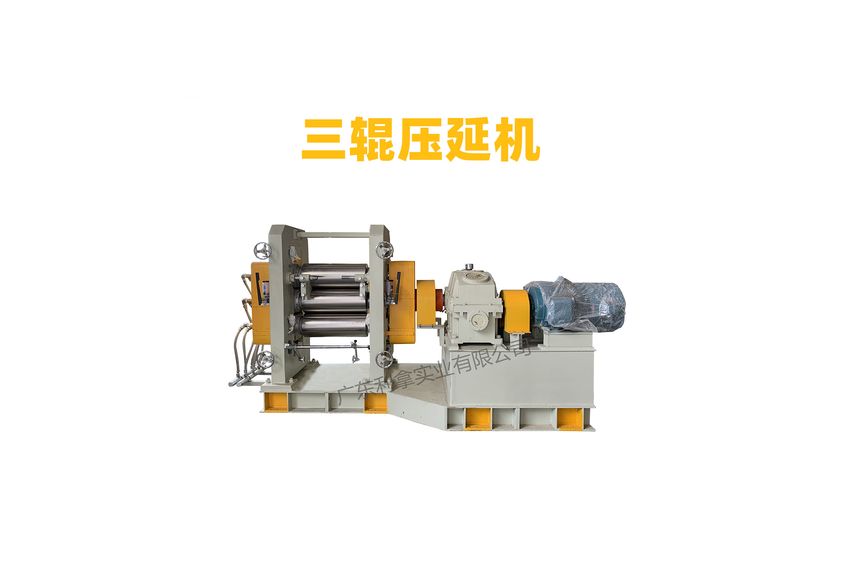
Today, there are several types of pressurized pressing machines available in the market, including rotary presses, flat presses, and multi-layer presses. Each type of machine has its own advantages and disadvantages, but they all share the common goal of producing high-quality RF circuit boards quickly and efficiently.
One of the key benefits of using pressurized pressing machines is their ability to handle large volumes of RF circuit boards. This is particularly important in today's fast-paced electronics industry, where manufacturers need to produce as many RF circuit boards as possible to meet customer demand.
Another advantage of pressurized pressing machines is their ability to improve product quality. By using precise control over the pressing process, manufacturers can ensure that each RF circuit board meets the highest standards of quality and reliability.
In addition to their technical advantages, pressurized pressing machines also have economic benefits. They can reduce labor costs, minimize waste, and increase overall efficiency in the production process.
In conclusion, the development of the RF circuit board pressing machine line has been a significant milestone in the electronics industry. By utilizing advanced manufacturing techniques such as pressurized pressing machines, manufacturers can produce high-quality RF circuit boards quickly and efficiently, meeting the ever-increasing demands of the market.