
The Open-Closed Mixing Machine: A Comprehensive Guide to Its Role and Applications
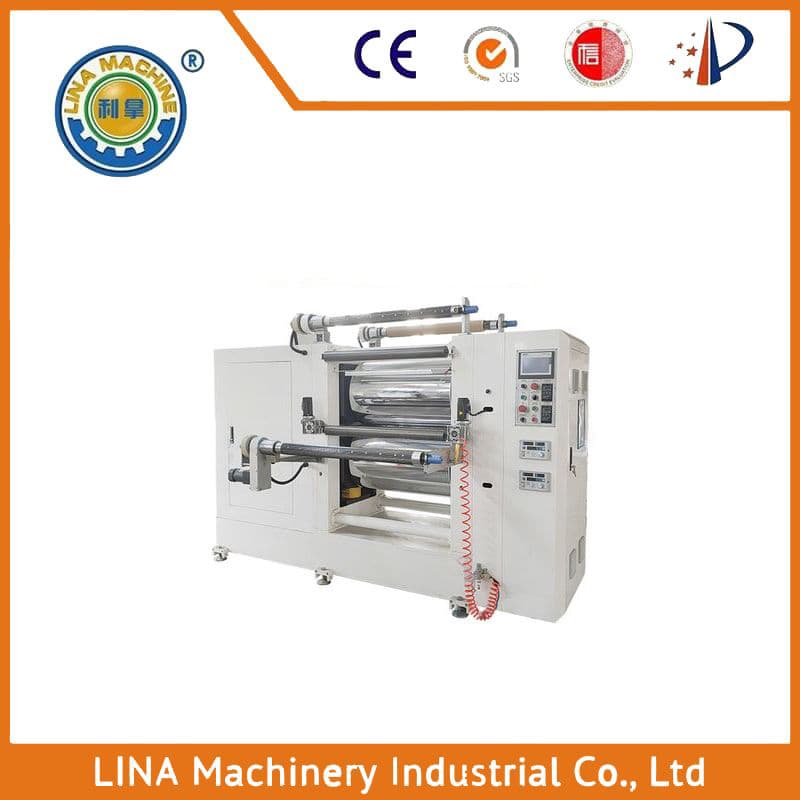
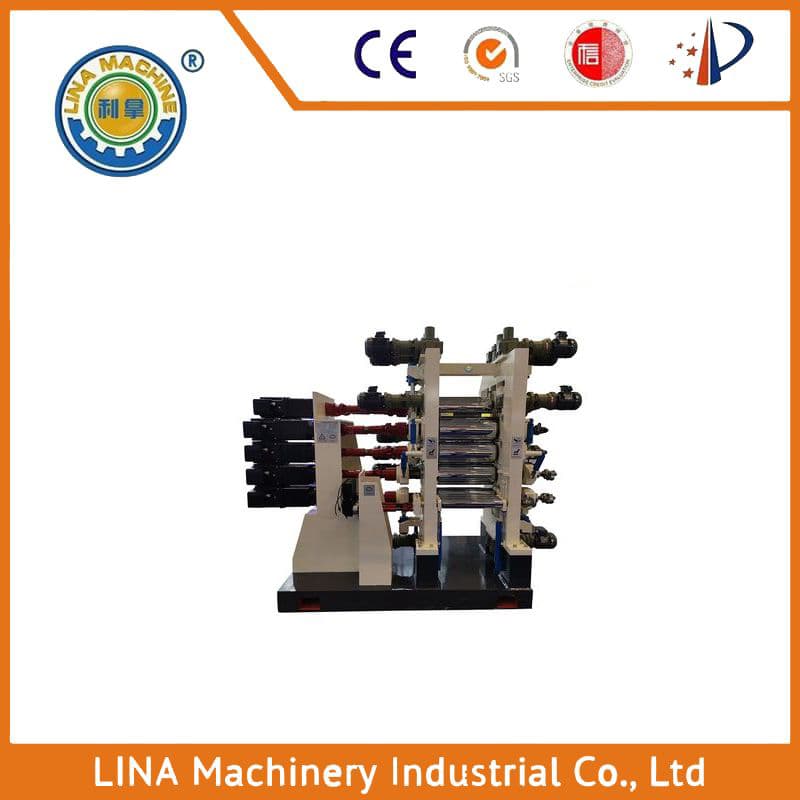
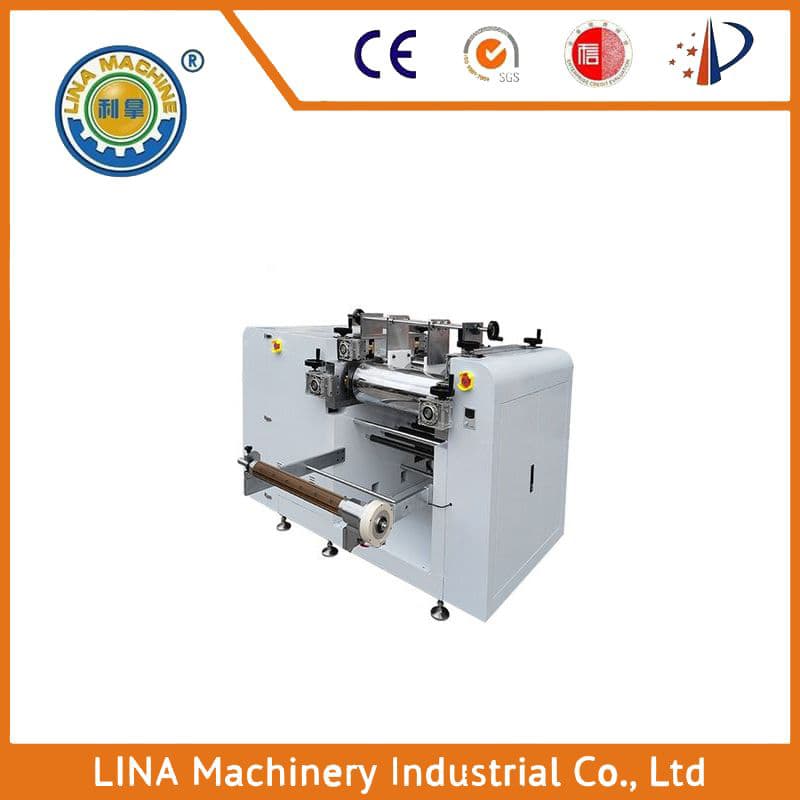
The open-close mixing machine, also known as a closed-closed mixer or a closed-open mixer, is an essential tool in the production of various materials such as plastics, rubber, and other polymers. This versatile machine combines the benefits of both open and closed systems, offering a unique blend of features that make it highly efficient and versatile. In this article, we will explore the key features of open-close mixing machines, their applications, and how they contribute to the overall process of material processing.
One of the most significant advantages of open-close mixing machines is their ability to handle a wide range of materials. Unlike traditional open mixers, which require separate mixing chambers for different types of materials, open-close machines can accommodate a variety of components in one single chamber. This flexibility allows for greater efficiency and cost savings, as well as reduced setup time and labor costs.
Another crucial feature of open-close machines is their ability to achieve high levels of homogenization and mixing. The use of advanced technology and advanced design ensures that the materials are thoroughly mixed and evenly distributed throughout the chamber, resulting in a uniform product with consistent quality. This level of homogenization is particularly important in the production of high-performance materials such as thermoplastics and elastomers.
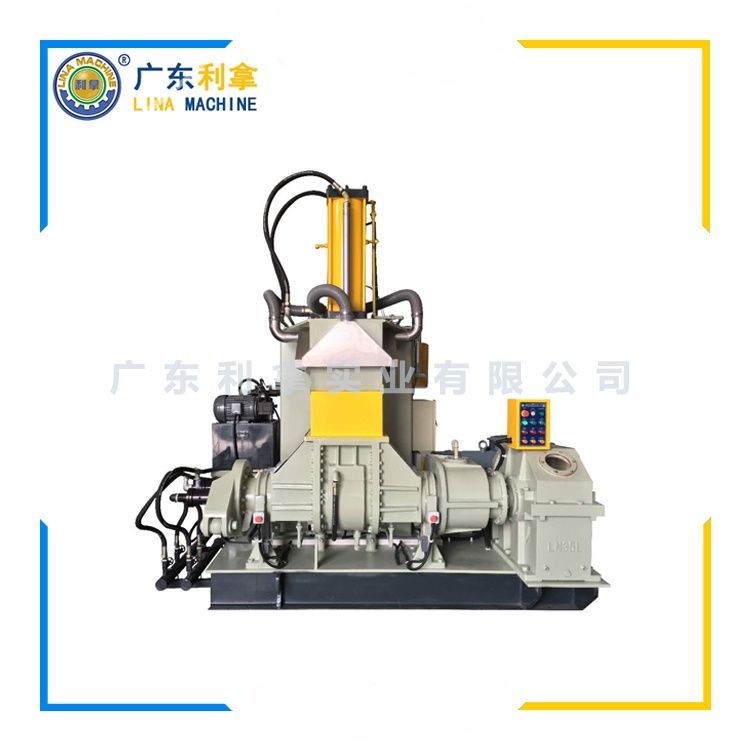
Open-close machines are also known for their ability to operate at high speeds and pressures. This makes them ideal for processes that require rapid mixing and high-speed operation, such as injection molding and extrusion. By using advanced motors and control systems, these machines can deliver powerful outputs without compromising on efficiency or safety.
In addition to their technical advantages, open-close machines offer a number of operational benefits that make them highly attractive to manufacturers. For example, they are easy to maintain and operate, requiring minimal maintenance and training. They also have a low noise level and minimal vibration, making them suitable for use in environments where noise and vibration are a concern.
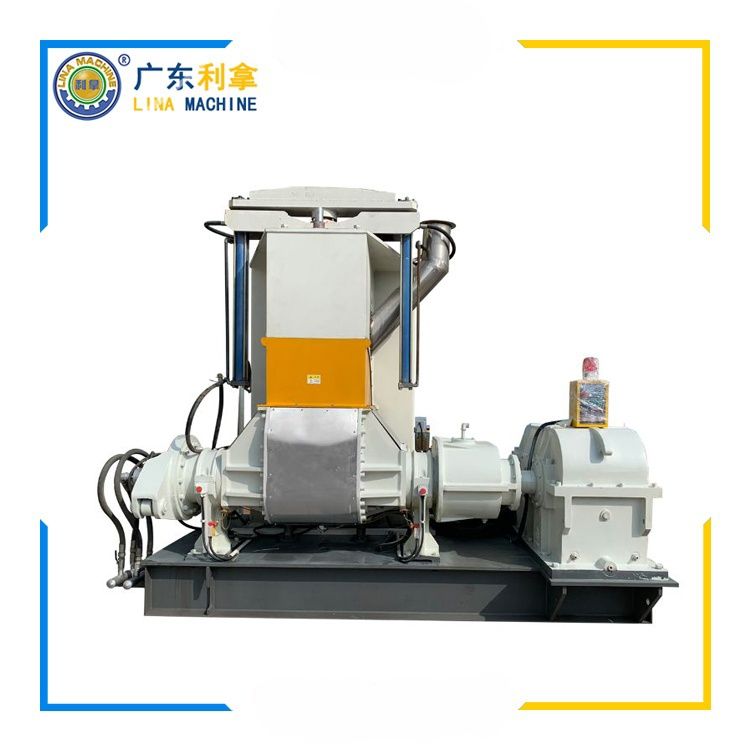
Finally, open-close machines are becoming increasingly popular in the field of biomaterials production. As demand for sustainable and eco-friendly materials continues to grow, open-close machines offer a cost-effective and efficient solution for producing biopolymers and other biomaterials.
1. Open-Close Mixing Machine
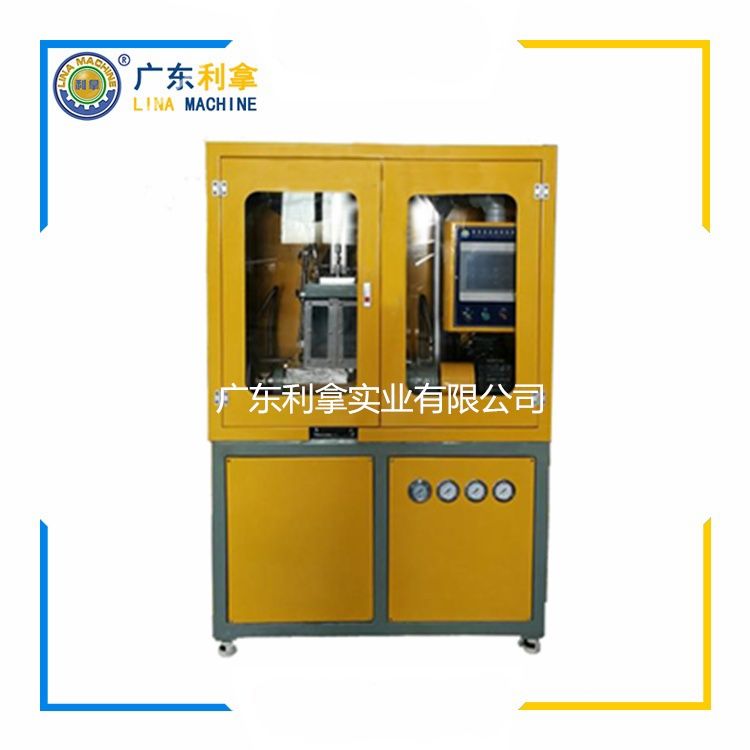
2. Homogenization
3. High Speed Operation
4. Biomaterials Production
5. Cost-Effective
This article provides a comprehensive overview of the open-close mixing machine, highlighting its key features, applications, and operational benefits. From its ability to handle a wide range of materials to its high-speed and high-pressure capabilities, this versatile machine is an essential tool in the production of various materials. Additionally, it offers a cost-effective solution for producing biomaterials, making it an attractive option for manufacturers looking to reduce their environmental footprint.