The Art of Rubber Making: An Introduction to Rubber Machines
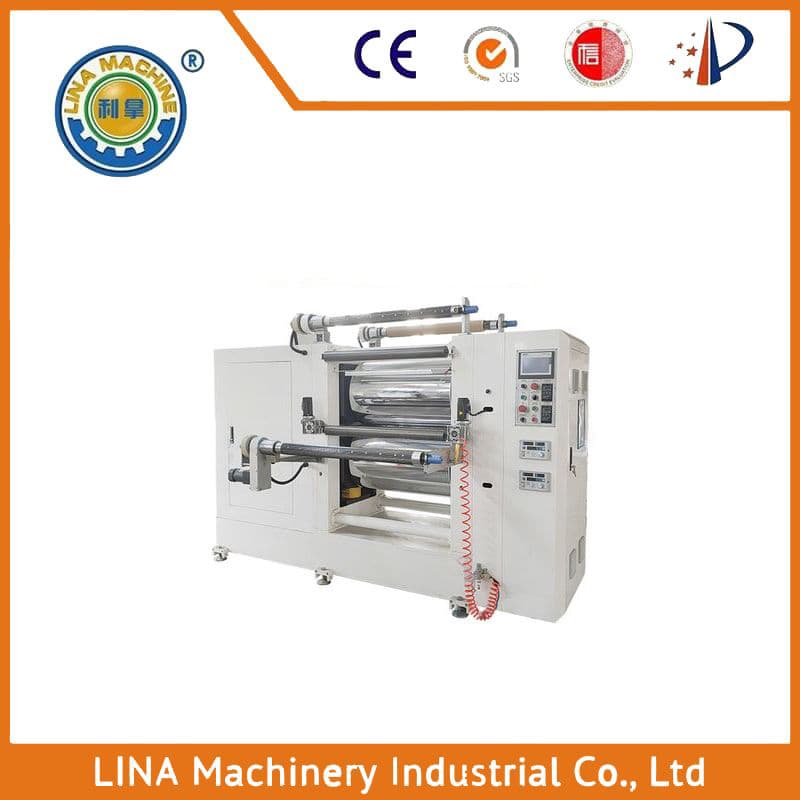
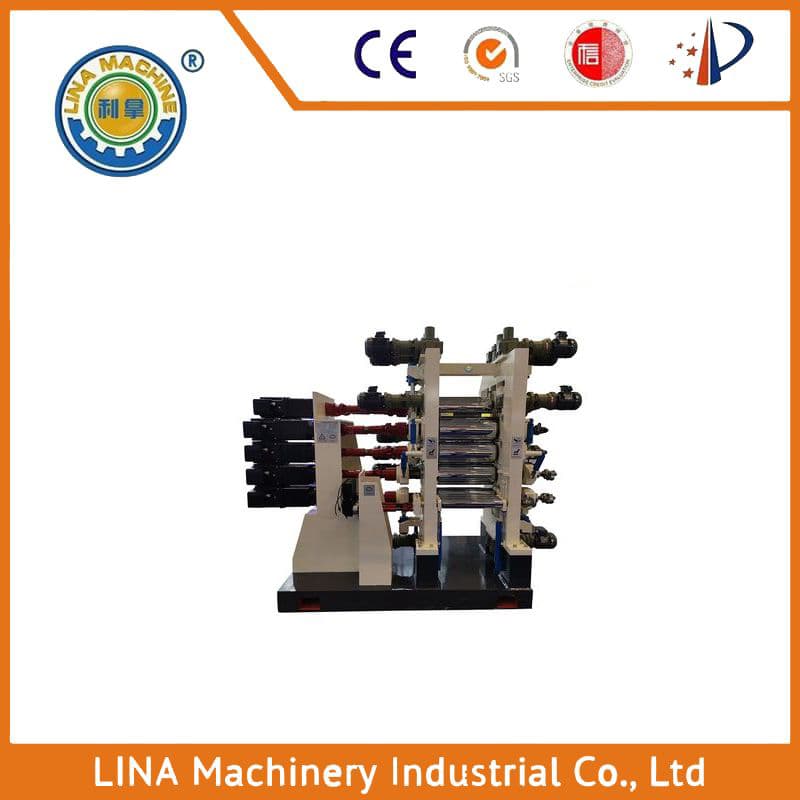
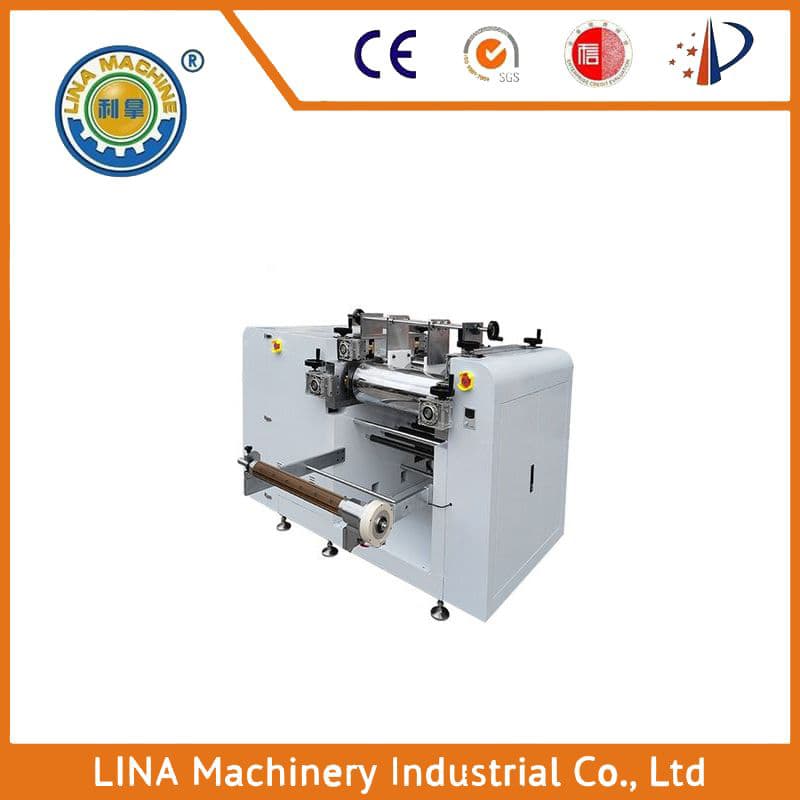
The art of rubber making is a fascinating and intricate process that involves the use of specialized machinery to transform raw materials into high-quality rubber products. One of the most crucial tools in this process is the rubber machine, which plays a vital role in shaping, molding, and processing rubber compounds into various forms such as tires, hoses, and gloves. In this article, we will explore the different types of rubber machines used in the industry, their functions, and how they contribute to the overall success of the rubber manufacturing process.
One of the most common types of rubber machines used in the industry is the vulcanization machine. This machine is responsible for heating and curing the rubber compound, which is then transformed into a solid material that can withstand various environmental conditions. Vulcanization machines come in various sizes and configurations, depending on the specific requirements of the end product. Some of the key features of vulcanization machines include temperature control, pressure regulation, and time duration settings.
Another essential type of rubber machine is the extruder, which is used to produce continuous lengths of rubber material. Extruders are designed to feed the rubber compound through a die, which creates a uniform and consistent thickness of the material. The extruder is an important tool in the production of flexible hoses, belts, and other flexible rubber products. Key features of extruders include speed control, temperature regulation, and die design optimization.
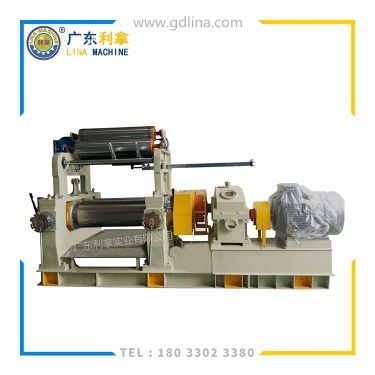
In addition to these two main types of rubber machines, there are also specialized devices used in the industry, such as the compression molding machine and the injection molding machine. Compression molding machines are used to shape rubber products by applying pressure to the material while it is still in a molten state. This technique is commonly used in the production of automotive parts, such as engine valves and seals. Injection molding machines, on the other hand, are used to create complex shapes from a single piece of rubber material. These machines require precise temperature and pressure control to achieve the desired results.
The success of rubber manufacturing relies heavily on the proper functioning of these specialized machines. Proper maintenance and regular calibration of these machines are essential to ensure optimal performance and minimize downtime. Additionally, using advanced technologies such as computer-aided design (CAD) and computer-aided manufacturing (CAM) can help manufacturers optimize their processes and reduce waste.
In conclusion, the art of rubber making involves the use of specialized machinery to transform raw materials into high-quality rubber products. From vulcanization machines to compression molding machines and injection molding machines, each machine plays a critical role in the overall process. By understanding the functions and features of these machines, manufacturers can optimize their processes and achieve greater efficiency and quality in their products.