
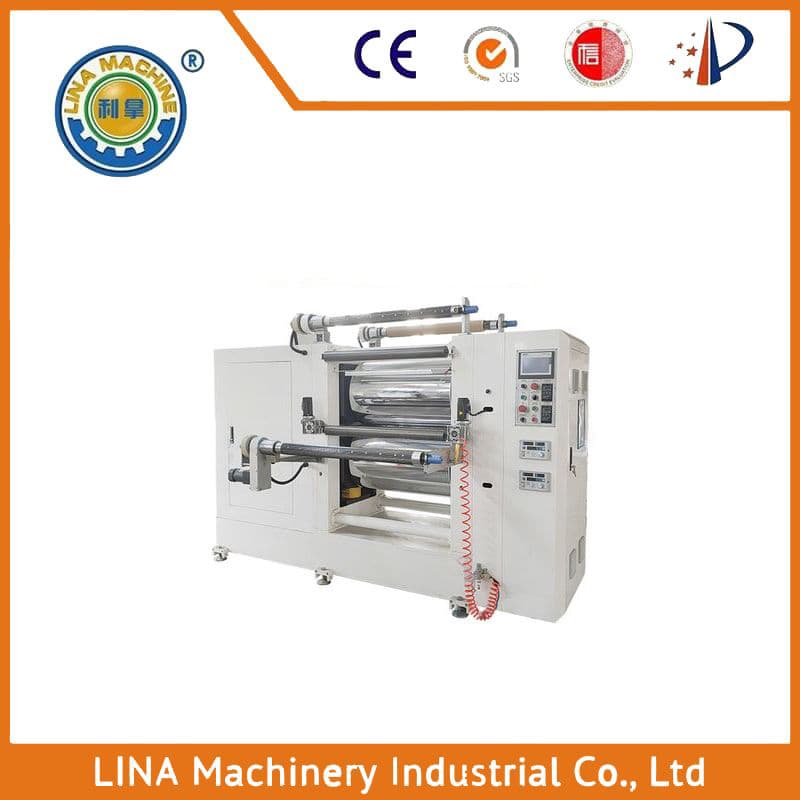
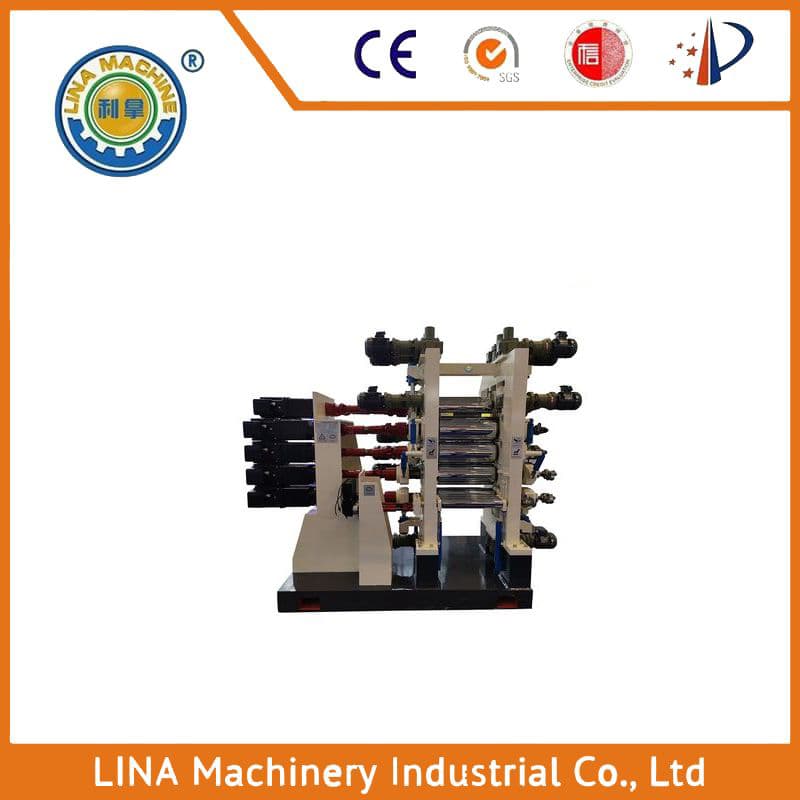
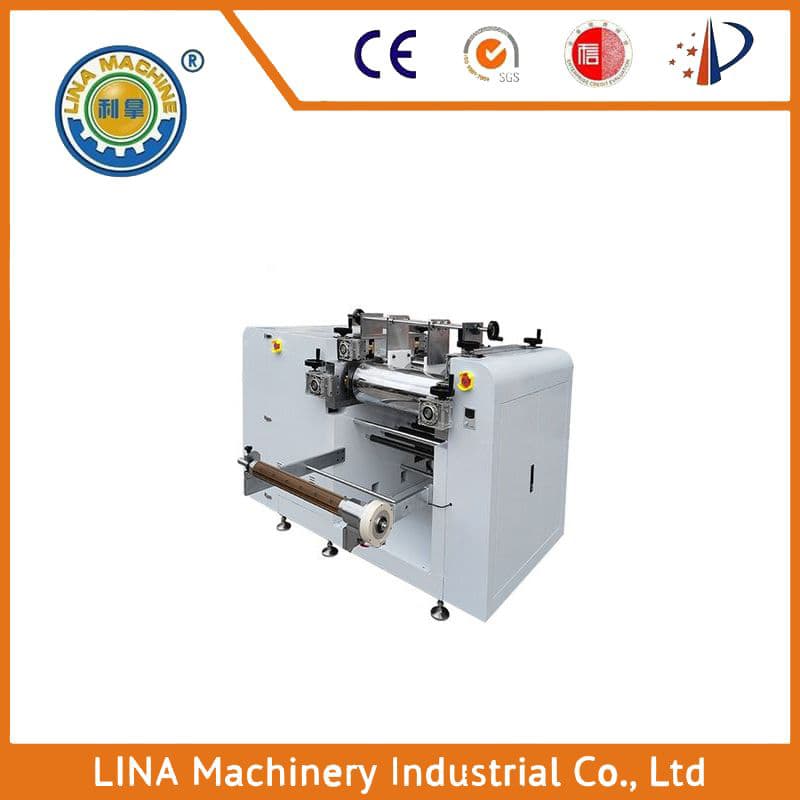
The Development of Hydrogen Fuel Cell Bipolar Plate Rolling Line
The development of hydrogen fuel cell technology has been a significant milestone in the field of renewable energy. One critical component of this technology is the bipolar plate, which plays a vital role in the operation of the fuel cell. In order to meet the increasing demand for high-quality bipolar plates, manufacturers have turned to advanced manufacturing techniques such as the rolling line process. This article will explore the development of the hydrogen fuel cell bipolar plate rolling line and its impact on the industry.
The bipolar plate rolling line is a specialized machine used to produce high-quality bipolar plates for fuel cells. It involves several key steps, including material preparation, cutting, bending, and finishing. The first step is to prepare the raw materials, which are typically stainless steel sheets with a thickness of 0.5 mm. These sheets are then cut into the desired shape using a laser cutting machine.
Next, the sheets are bent into the desired shape using a bending machine. This process requires precise control over the angle and length of the bends to ensure that the bipolar plate meets the required specifications. Once the sheets have been bent, they are passed through a finishing machine where they are sandblasted and polished to remove any imperfections and improve their surface quality.
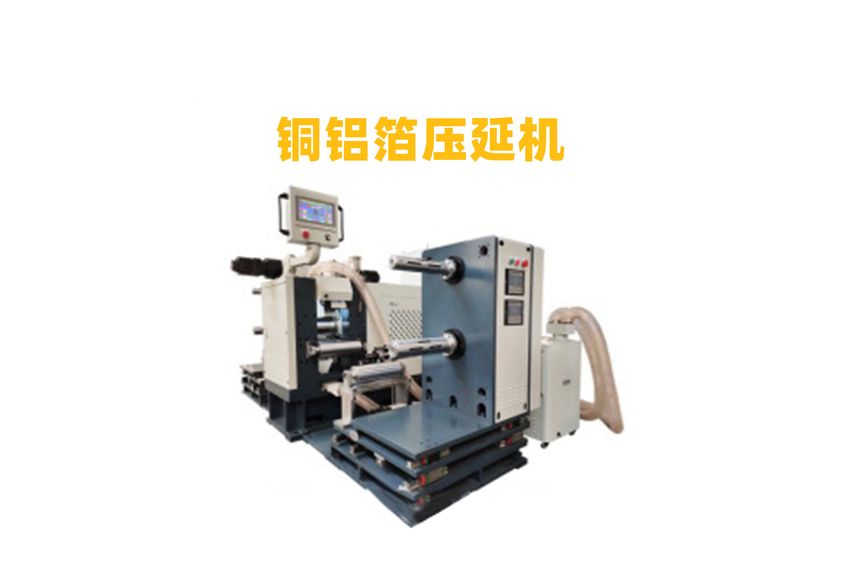
The final step in the rolling line process is to apply a protective coating to the bipolar plates. This coating helps to prevent corrosion and maintain the integrity of the plates during use. The coating is applied using a spray gun and is cured using a UV light source.
The development of the hydrogen fuel cell bipolar plate rolling line has had a significant impact on the industry. By using this advanced manufacturing technique, manufacturers can produce bipolar plates with higher strength, better resistance to corrosion, and improved performance. This has led to increased efficiency and reduced costs for consumers and businesses alike.
In addition to its technical benefits, the development of the hydrogen fuel cell bipolar plate rolling line has also had a positive impact on the environment. The use of laser cutting machines and other precision equipment reduces waste and minimizes the need for energy-intensive processes. Furthermore, the application of protective coatings helps to extend the lifespan of the bipolar plates, reducing the need for disposal and minimizing environmental impact.
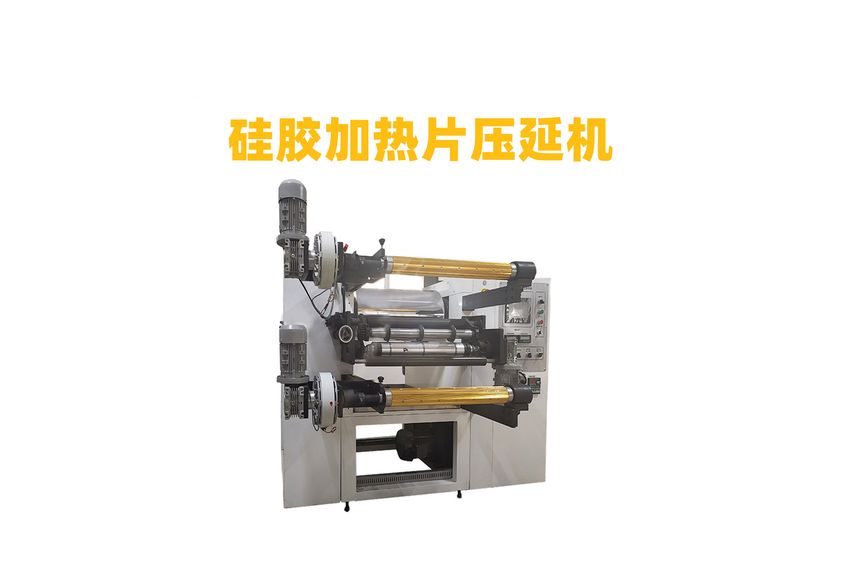
Overall, the development of the hydrogen fuel cell bipolar plate rolling line has been a major milestone in the field of renewable energy. Its use of advanced manufacturing techniques has enabled manufacturers to produce high-quality bipolar plates that meet the demands of the industry. As the demand for sustainable energy continues to grow, the importance of this technology cannot be understated.