The Role of Mass Production in the Development of Compact Mixing Machines
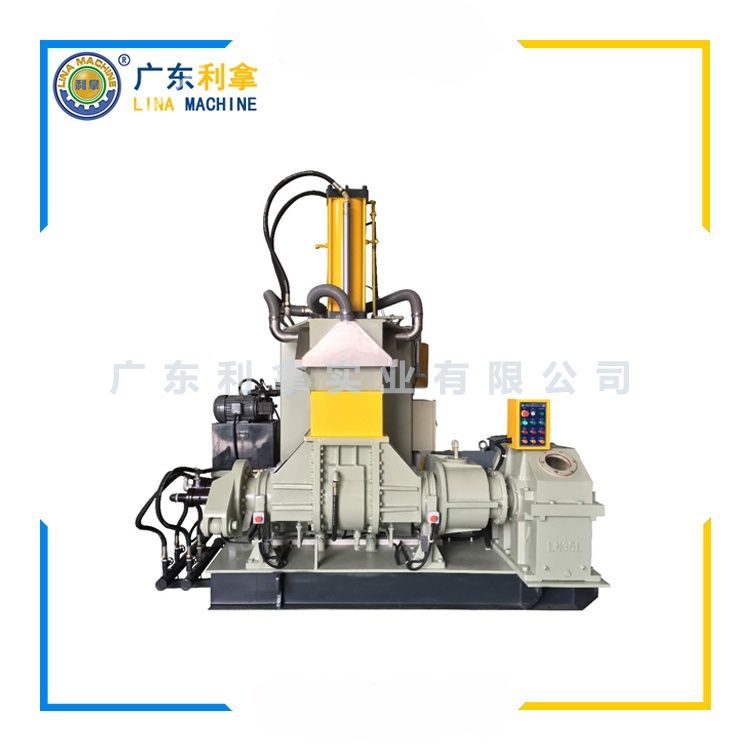
In the realm of industrial machinery, the concept of mass production has become increasingly important. This principle is particularly relevant to the development of compact mixing machines, which are essential tools for various industries such as food processing, pharmaceuticals, and chemical manufacturing. A compact mixing machine, also known as a blender or mixer, is a device that combines ingredients by mechanical means, ensuring uniform distribution and mixing of materials. In this article, we will explore the role of mass production in the development of these machines, their benefits, and how they contribute to the overall efficiency and productivity of industrial operations.
One of the key advantages of mass production in the development of compact mixing machines is cost-effectiveness. By utilizing advanced manufacturing techniques and economies of scale, manufacturers can produce high-quality products at lower costs. This allows companies to invest more money in research and development, which ultimately leads to innovation and advancements in the field. For example, companies like Bosch GmbH have successfully developed innovative compact mixing machines that are not only affordable but also highly efficient and reliable.
Another significant benefit of mass production in the development of compact mixing machines is flexibility. With the ability to produce multiple models and sizes of machines, manufacturers can cater to the specific needs of different industries and applications. This flexibility ensures that customers can choose the right mixer for their specific requirements, whether it be for small batch production or large-scale operations. As a result, companies can maintain a competitive edge in the market and expand their customer base.
The development of compact mixing machines has also been influenced by the need for increased automation and precision in industrial processes. Mass production has enabled manufacturers to incorporate advanced features into their machines, such as sensors, control systems, and digital displays. These features enhance the functionality and reliability of the mixers, making them ideal for use in automated production lines and other complex industrial environments.
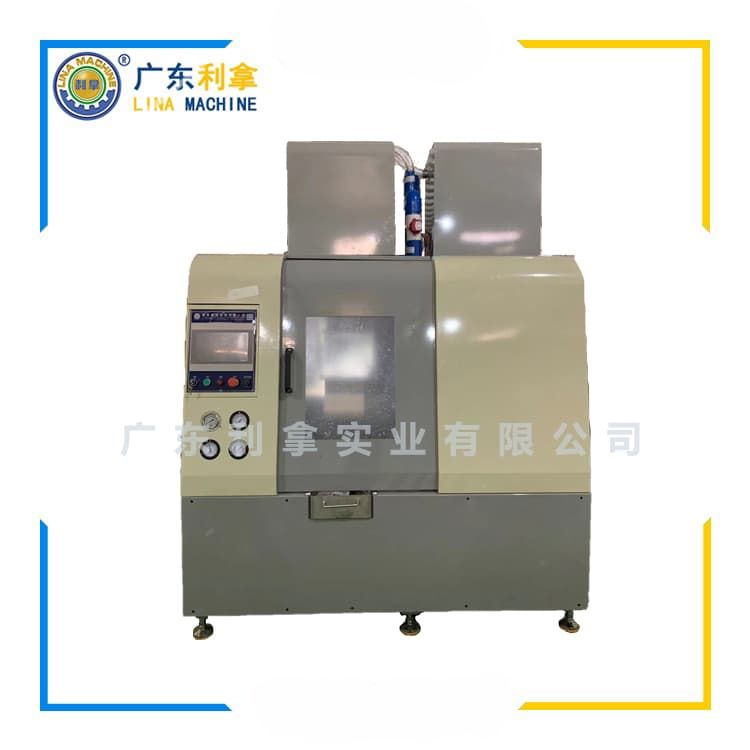
In conclusion, mass production plays a crucial role in the development of compact mixing machines. It enables manufacturers to produce high-quality products at lower costs, providing cost-effective solutions for various industries. Additionally, mass production provides flexibility and innovation, allowing companies to cater to the specific needs of different applications and industries. As technology continues to advance, we can expect to see even more sophisticated and efficient compact mixing machines on the market, further enhancing the productivity and efficiency of industrial operations.