
The Laboratory Kneading Machine: A Key Tool for Material Processing
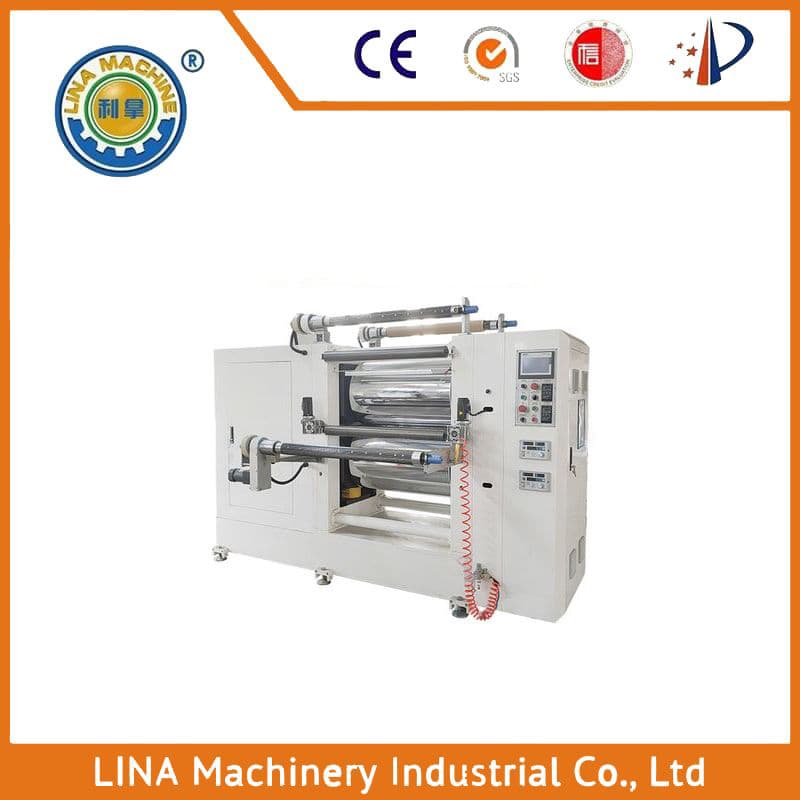
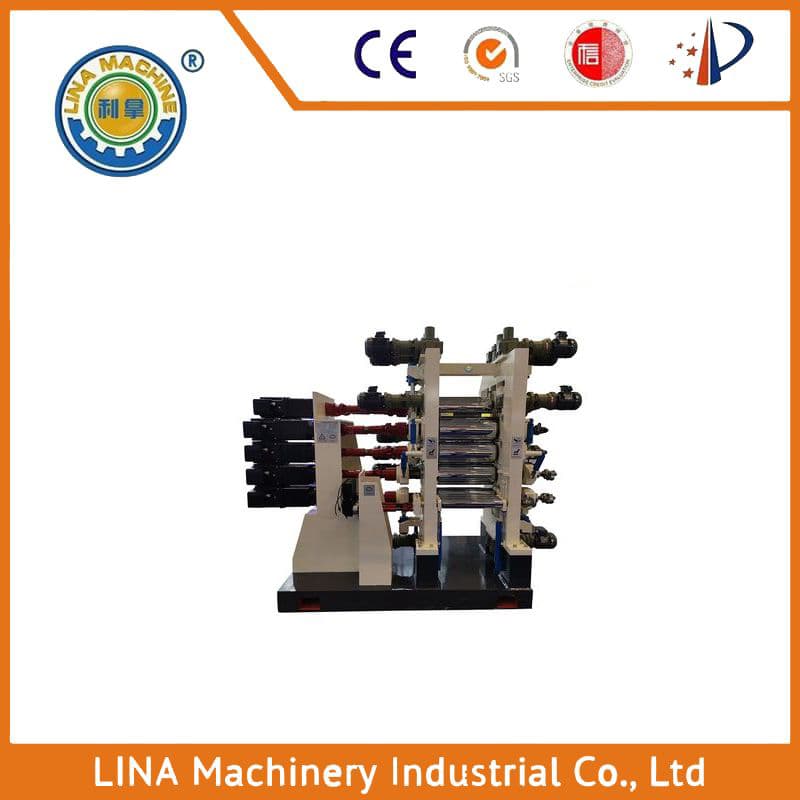
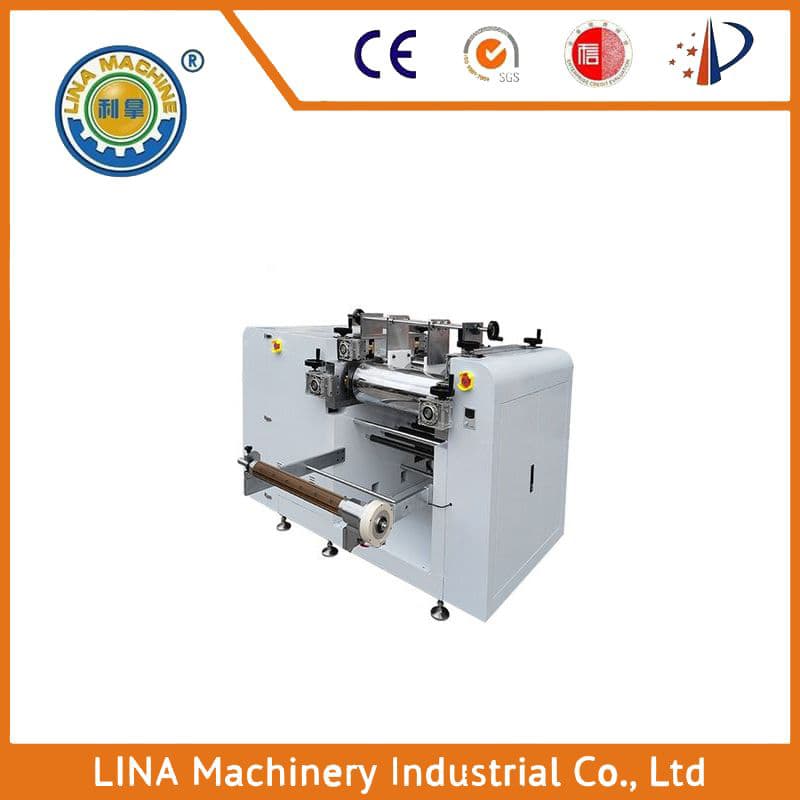
The laboratory kneading machine is a versatile tool that plays a crucial role in the processing of various materials. It is a precision instrument that allows scientists and engineers to manipulate small amounts of raw materials into desired shapes and sizes. This machine is essential in the field of polymer science, where it is used to prepare samples for testing and analysis. In addition, it is also widely used in metallurgy, ceramics, and other industries where precise control over material properties is necessary.
The kneading machine consists of a rotating drum that is surrounded by a series of rollers. The drum rotates at high speeds, causing the rollers to press against the material being processed. As the material is passed through the drum, it is subjected to heat, pressure, and shear forces, which result in the formation of new bonds and the rearrangement of existing ones. This process leads to the creation of a homogeneous mixture of materials, which can then be further processed or analyzed.
One of the key features of the kneading machine is its ability to handle a wide range of materials. It can be used to mix solids, liquids, and gases, as well as to blend different types of polymers. Additionally, the machine's design allows for easy adjustment of the temperature and pressure levels, which enables researchers to optimize their processing conditions for specific applications.
In conclusion, the laboratory kneading machine is an essential tool for scientists and engineers who need to process materials with precision and control. Its ability to handle a wide range of materials and its flexibility in processing conditions make it a valuable asset in many fields of study. With its advanced technology and reliable performance, this machine continues to be a trusted partner in the quest for better understanding of the world around us.
