



Underwater Cutting Pellet Machine Production Line
The underwater cutting pellet machine is a crucial equipment in the production line of plastics and rubber products. It plays a significant role in the process of plastic recycling, which is an important part of environmental protection and sustainable development. The underwater cutting pellet machine can be divided into two main types: the rotary cutter type and the screw extruder type.
The rotary cutter type underwater cutting pellet machine is mainly used for the processing of waste plastics. It can be divided into two parts: the feeding part and the cutting part. The feeding part is responsible for feeding raw materials into the machine, while the cutting part uses high-speed rotating cutters to cut the raw materials into small pieces. These small pieces are then conveyed to the extruder for further processing.
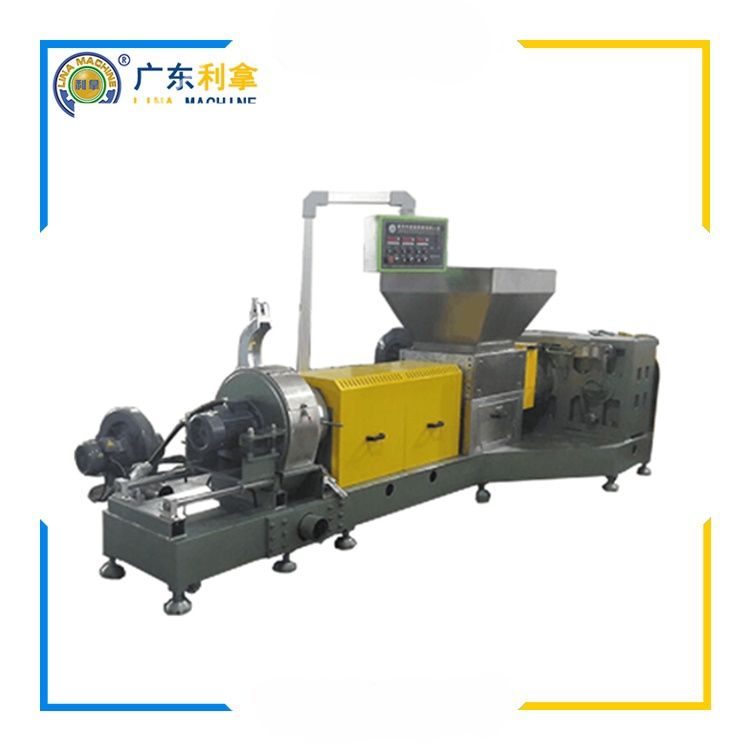
The screw extruder type underwater cutting pellet machine is mainly used for the processing of natural rubber and other non-plastic materials. It consists of a screw extruder, a cooling system, and a drying system. The screw extruder is responsible for mixing and melting the raw materials, while the cooling system ensures that the material remains at a suitable temperature during the process. The drying system helps to remove moisture from the material before it is discharged from the machine.
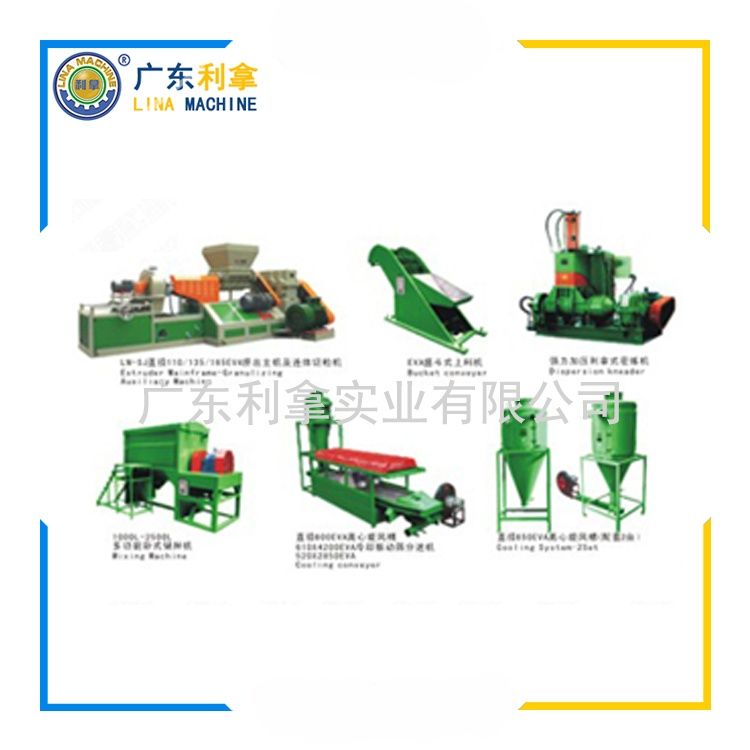
Both types of underwater cutting pellet machines have their advantages and disadvantages. The rotary cutter type is more suitable for waste plastic processing, while the screw extruder type is better suited for natural rubber and other non-plastic materials. In addition, both types of machines can achieve high efficiency and low energy consumption through intelligent control systems.
In conclusion, the underwater cutting pellet machine is an essential piece of equipment in the production line of plastics and rubber products. Its application in waste plastic processing and natural rubber and other non-plastic materials has greatly improved the efficiency and quality of the production process. As technology continues to advance, we can expect to see even more advanced underwater cutting pellet machines in the future, which will further promote the development of the plastics and rubber industry.