
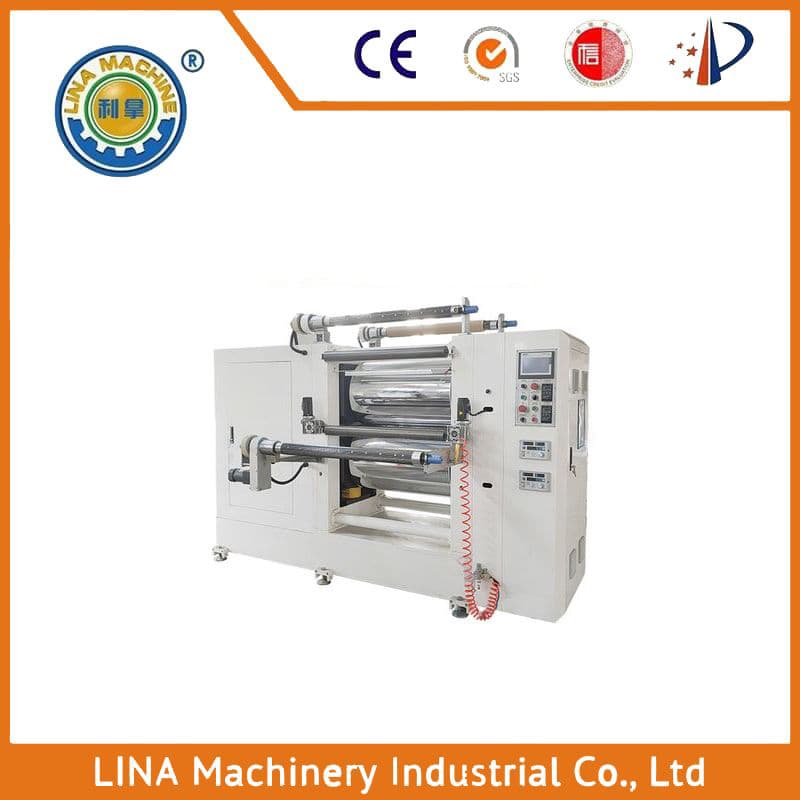
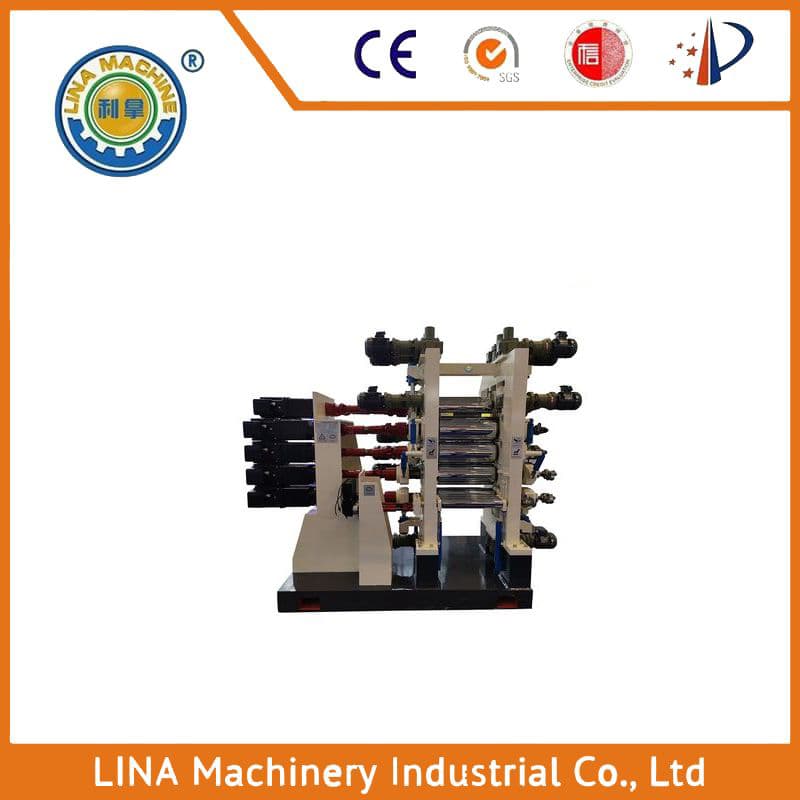
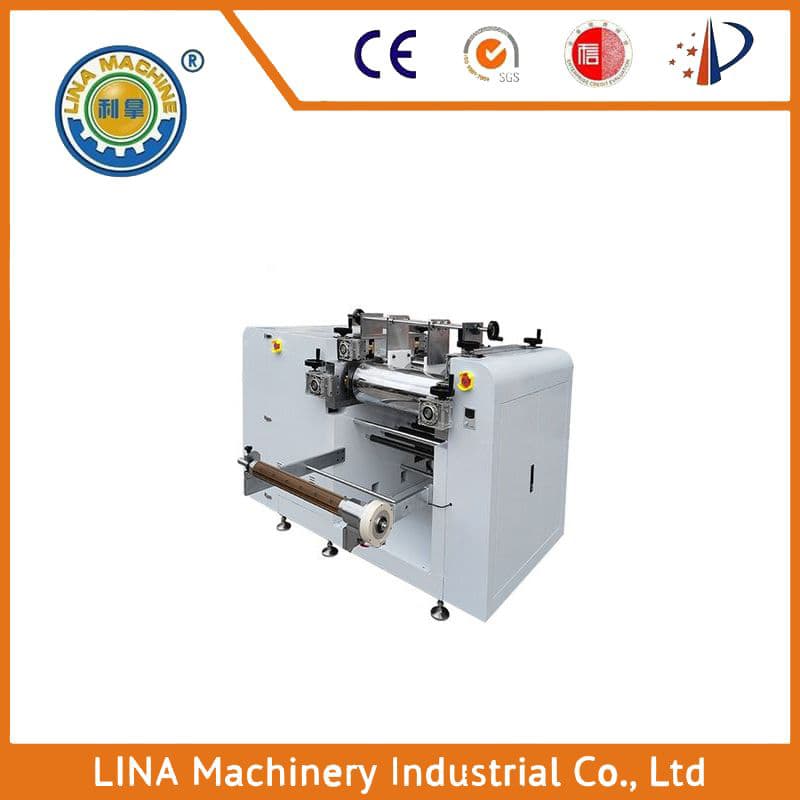
The Evolution of Foamed Silica Gel Pressing Production Lines
In the realm of industrial manufacturing, the production line plays a pivotal role in transforming raw materials into finished products. One such line that has gained significant attention is the foamed silica gel pressing production line. This innovative technology not only enhances product quality but also significantly improves efficiency and reduces costs.
At its core, the foamed silica gel pressing production line utilizes advanced machinery to process silicone rubber into a porous, lightweight material known as foamed silica gel. This material boasts exceptional thermal and acoustic insulation properties, making it ideal for use in various industries, including automotive, electronics, and construction.
One of the key features of this production line is its ability to produce high-quality foamed silica gel at a consistent rate. Thanks to state-of-the-art automation and control systems, the line can handle a wide range of inputs, including different types of silicone rubber and varying processing parameters. This flexibility ensures that the end product meets the exact specifications required by each customer.
Furthermore, the foamed silica gel pressing production line is designed to be highly energy-efficient. By optimizing the use of resources and minimizing waste, the line can significantly reduce operating costs while maintaining high productivity. Additionally, the line's environmentally friendly design contributes to reducing carbon emissions and promoting sustainable manufacturing practices.
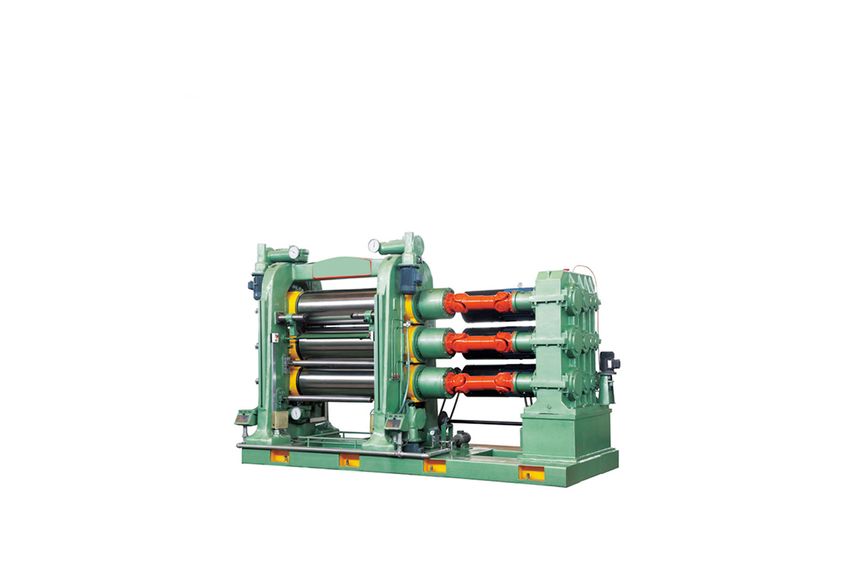
Another advantage of the foamed silica gel pressing production line is its ability to produce custom-sized products. With precise control over the size and shape of the foamed silica gel particles, the line can cater to the specific needs of individual customers, resulting in a more personalized and efficient end product.
In conclusion, the foamed silica gel pressing production line represents a significant advancement in the field of industrial manufacturing. Its ability to produce high-quality, energy-efficient, and customized products sets it apart from traditional production methods. As demand for eco-friendly and sustainable materials continues to grow, the adoption of this innovative technology will undoubtedly play an increasingly important role in shaping the future of industrial manufacturing.