



The Role of the Downward Mixing Mill in the Manufacturing Process
The downward mixing mill is an essential piece of machinery in the manufacturing process, particularly in the rubber and plastic industries. Its primary function is to mix various materials together in a controlled manner, ensuring uniformity and quality throughout the product. This machine uses a rotating drum that moves downwards, allowing for efficient mixing of ingredients without any air pockets or uneven distribution.
One of the key benefits of using a downward mixing mill is its ability to handle a wide range of materials. From small batches of polymers to large-scale production runs, this machine can handle a variety of substances with ease. Additionally, it is highly adaptable, allowing for customization to meet specific needs of the end user.
Another advantage of the downward mixing mill is its efficiency. Thanks to its advanced design, it can mix multiple materials at once, reducing downtime and increasing productivity. This not only saves time but also reduces costs associated with manual labor.
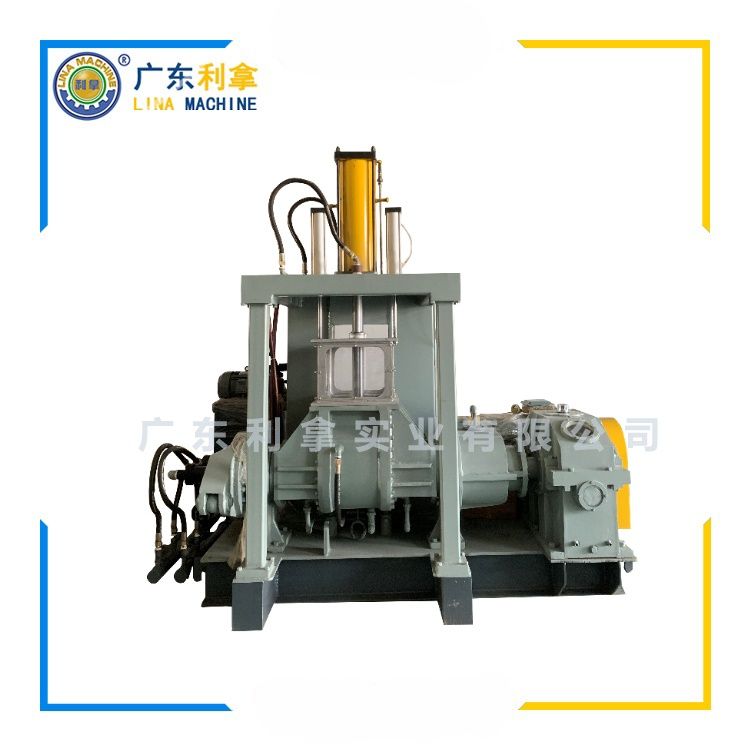
In addition to its practical applications, the downward mixing mill has a significant impact on the environment. By reducing waste and minimizing energy consumption, it helps to reduce carbon emissions and contributes to sustainable manufacturing practices.
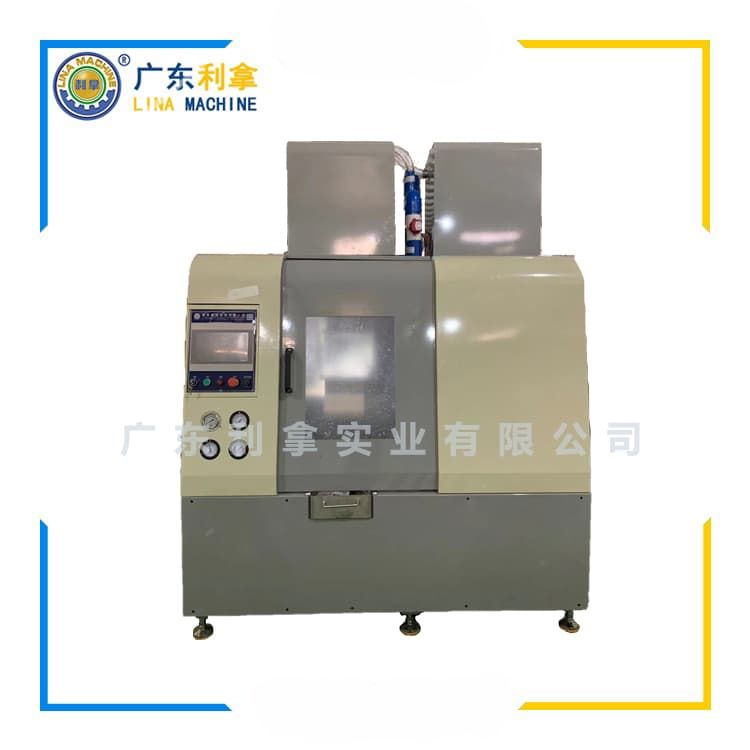
Downward Mixing Mill, Rubber Industry, Plastic Industry, Manufacturing Process, Practical Applications, Environmental Impact
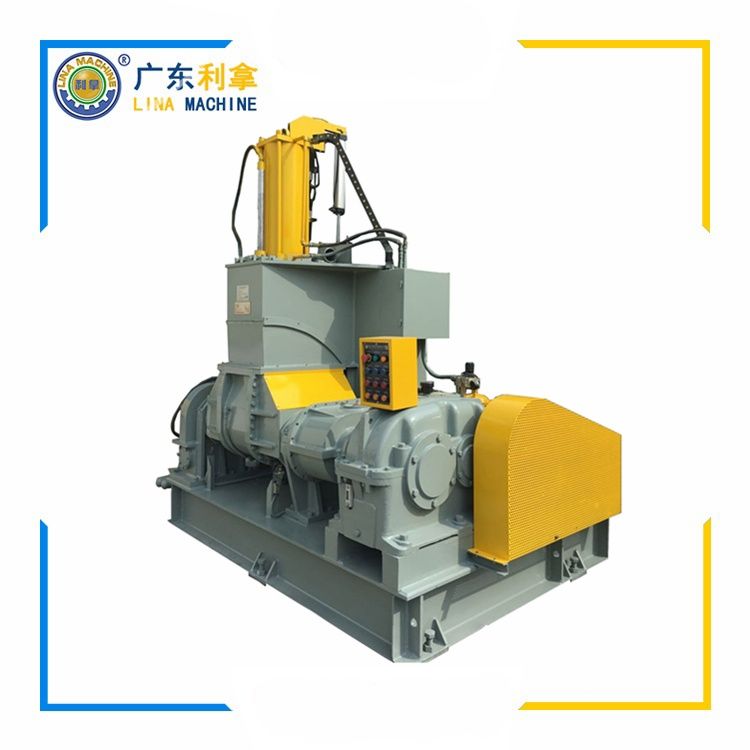
The downward mixing mill is a crucial tool in the rubber and plastic industries, offering superior mixing capabilities and efficiency. With its versatile design and eco-friendly practices, it plays a vital role in promoting sustainable manufacturing practices. Whether you're looking to produce small batches or large-scale runs, this machine can handle a wide range of materials, making it an ideal choice for businesses seeking to improve their manufacturing processes.