
The Integration of Polymer and Plastic Compounding in Granulation Production Lines
The advancement of polymer processing technology has led to the development of innovative methods for compounding and granulating materials. One such method is the integration of polymer and plastic compounds in granulation production lines. This process involves mixing and blending different polymers and plastics to create a homogeneous mixture that can be easily granulated into pellets or other desired shapes.
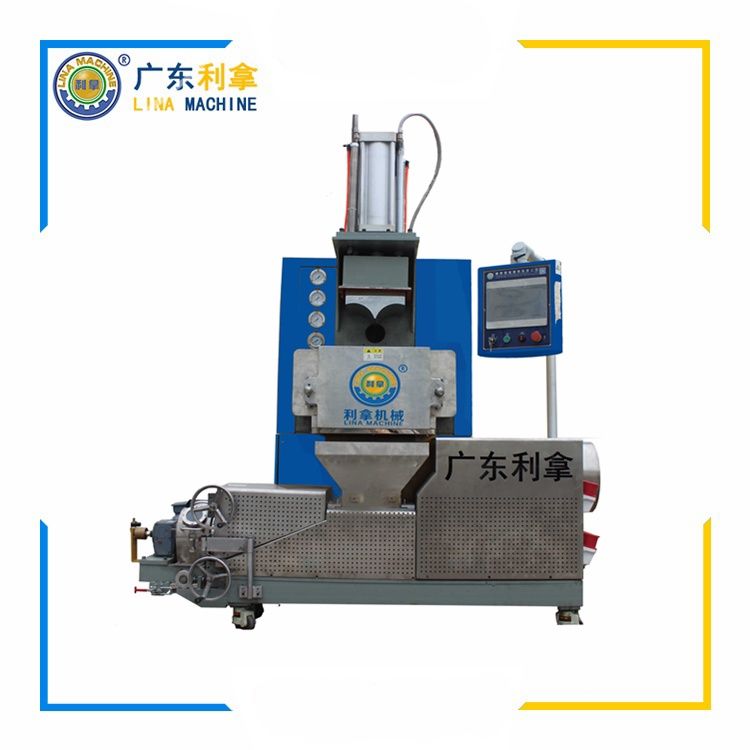
The first step in this process is the selection of the appropriate polymers and plastics for the compounding. These materials must be compatible with each other, have similar physical properties, and meet the specific requirements of the final product. Once the materials have been selected, they are mixed together using a high-speed mixer or extruder to achieve a uniform distribution of the components.
The next step is the granulation process itself. The resulting mixture is then fed into a granulator, which uses air pressure or mechanical force to compress the material into pellets or other desired shapes. The granulator may also incorporate additives such as fillers, stabilizers, or colorants to improve the quality and performance of the final product.
The benefits of integrating polymer and plastic compounds in granulation production lines include improved process efficiency, reduced waste, and increased flexibility in product design. By combining different materials, manufacturers can create more diverse and customizable products that meet the needs of various industries.
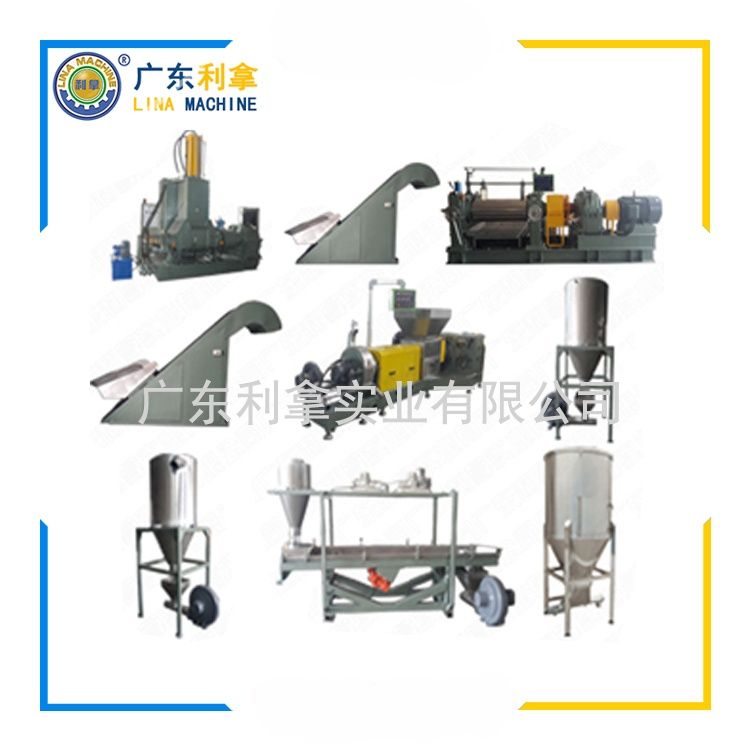
In conclusion, the integration of polymer and plastic compounds in granulation production lines represents a significant advancement in polymer processing technology. By leveraging the unique properties of these materials, manufacturers can create products with superior quality, performance, and sustainability.