



The Role of the Mixer in the Manufacturing Process
Mixers are essential tools used in the manufacturing industry to blend, knead, and mix various materials. They play a crucial role in the production process, as they help in achieving the desired consistency and quality of the final product. In this article, we will explore the different types of mixers, their applications, and how they contribute to the overall manufacturing process.
There are several types of mixers available in the market, each with its unique features and capabilities. Some of the most common types of mixers include:
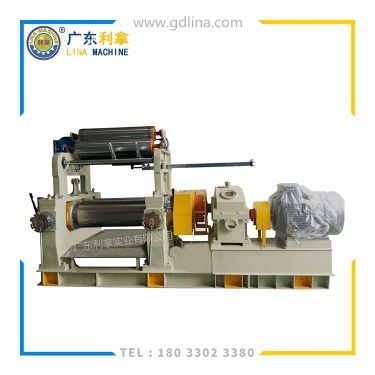
1. Homogenizers: These mixers use high-speed rotation to break down the ingredients into smaller particles, resulting in a more uniform mixture. Homogenizers are commonly used in food processing industries to ensure that the final product is consistent in texture and taste.
2. Kneaders: These mixers use rotating blades or rollers to knead the ingredients together, creating a smooth and even texture. Kneaders are commonly used in the baking industry to achieve a fluffy and airy texture in cakes, cookies, and bread.
3. Blenders: These mixers use blades or whisks to break down the ingredients into smaller particles, resulting in a more homogeneous mixture. Blenders are commonly used in the pharmaceutical industry to mix and dissolve drugs and chemicals.
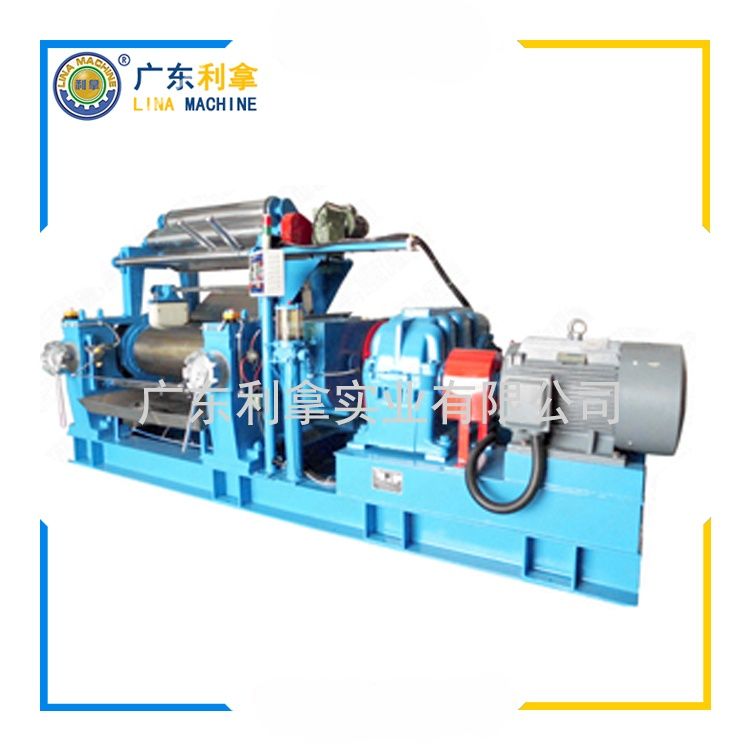
4. Turbulence mixers: These mixers create turbulence by using impellers that rotate at high speeds, causing the ingredients to move around and mix thoroughly. Turbulence mixers are commonly used in the chemical industry to mix and dissolve solids and liquids.
The application of mixers varies depending on the type of material being processed. For example, homogenizers are commonly used in the food industry to blend milk products, such as yogurt and cheese, while kneaders are used in the baking industry to create a smooth texture in cakes and cookies. Blenders are used in the pharmaceutical industry to mix and dissolve drugs and chemicals, while turbulence mixers are used in the chemical industry to mix and dissolve solids and liquids.
In conclusion, mixers play a vital role in the manufacturing process by helping to achieve the desired consistency and quality of the final product. By understanding the different types of mixers and their applications, manufacturers can optimize their production processes and achieve better results.